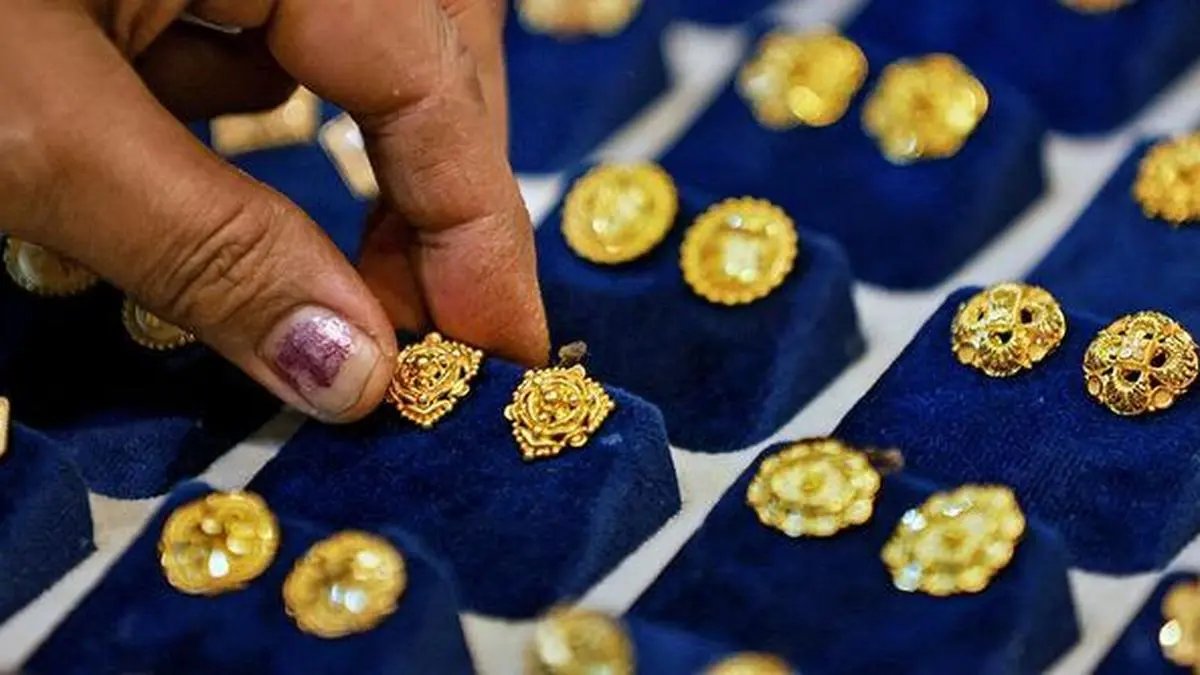

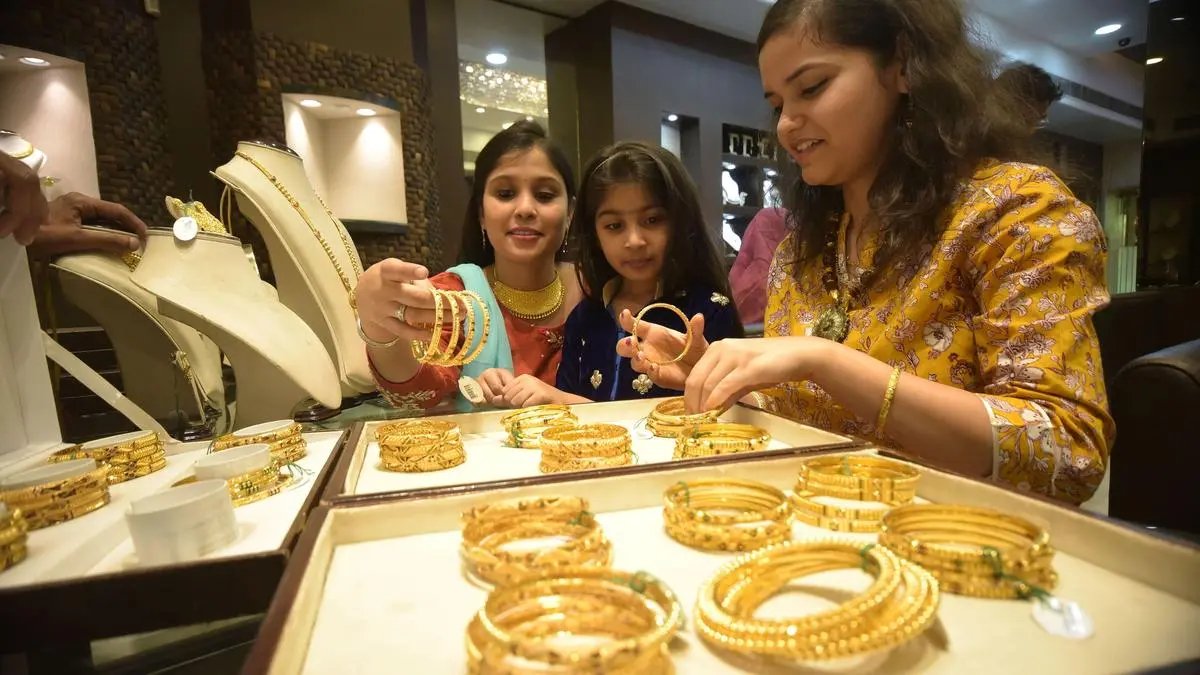
Artificial Intelligence (AI) is now catching up in the jewellery industry, redefining designs and accelerating innovation, the sector’s stakeholders said.
Raghav Dhir, Director, Dhirsons Jewellers (Dhiraj Dhir Group), said AI is steadily becoming an important part of the jewellery industry. “I believe it should be viewed as a creative enabler rather than a creative replacement. While AI can make the process smarter and more efficient, the final piece must still carry the warmth of human craftsmanship and storytelling,” he said.
Suresh Krishnan, VP – Sales, PNG Jewellers, said technology is fundamentally redefining jewellery design by making it more intelligent, agile, and consumer-centric, while preserving the craftsmanship that gives every piece its emotional value.
“We are seeing a clear shift towards lightweight, fashion-forward jewellery, driven by changing lifestyles and higher gold prices,” he said.
Human Touch
Supriya Kataria, Founder, Kumari Fine Jewellery, said the conversation around AI is not about replacing artisans but about removing guesswork while allowing human creativity and craftsmanship to remain at the heart of every piece.
“In design, AI is helping accelerate innovation by enabling designers to explore hundreds of variations in proportions, gemstones, finishes, and forms before a single gram of gold is crafted,” she said.
Artificial intelligence serves as a tireless studio assistant, allowing creative teams to experiment more freely, while every final design decision continues to rest with the designer, she said.
Dhir said that in a market like Delhi NCR, consumers are tradition-conscious and globally aware. “A family may come looking for a bridal set rooted in heritage, while their children are also interested in contemporary jewellery for everyday wear,” he said.
Such diversity makes AI particularly valuable. It helps jewellers study changing consumer preferences, understand emerging design trends across regions and seasons, and respond with greater precision without compromising originality. Industry-wide,” said the Dhirsons director.
“AI is reducing design cycles through faster concept development, virtual prototyping, and production planning,” he said.
Krishnan said advanced manufacturing techniques such as 3D printing, paper casting, and electroforming allow designers to create intricate yet lightweight pieces with greater precision and faster turnaround times.
“AI is further strengthening this evolution by helping brands analyse consumer preferences, forecast design trends, and personalise recommendations across online and offline channels,” he said.
Kataria said AI is changing how brands anticipate consumer preferences. “Rather than relying only on what sold last season, it helps identify emerging motifs, silhouettes, and price segments by analysing search behaviour and social conversations,” she said.
Perhaps AI’s greatest strength lies in meaningful personalisation. “AI can understand not just what a customer buys, but why they are buying, whether it is a milestone, self-reward, or celebration, creating recommendations that feel more thoughtful and relevant,” said the Kumari Fine Jewellery founder.
Dhir said another significant advantage of AI is personalisation. “Today’s buyers do not simply want jewellery that reflects their personality, milestones, and lifestyle. AI can analyse customer preferences, suggest design directions and even support virtual visualisation before a piece is crafted,” he said.
However, the finesse of hand-setting a gemstone, the judgement of an experienced karigar, and the ability to translate a family’s story into a meaningful design all come from years of craftsmanship and cultural understanding. AI can generate possibilities, but artisans give those ideas soul, said Dhir.
Krishnan said globally, technologies such as blockchain are enhancing transparency by enabling traceability and authenticity, which is becoming increasingly important for discerning buyers.
“We believe technology is not replacing artisanship. Instead, it empowers designers and craftsmen to innovate more efficiently while ensuring every creation continues to reflect India’s rich jewellery heritage with contemporary relevance,” he said.
Kataria said ultimately, AI complements craftsmanship rather than competing with it. “Technology can generate possibilities, but only human emotion, storytelling, and skilled artisanship can create jewellery that becomes a cherished heirloom across generations,” she said.
Tradition Evolves
For heritage jewellers, Dhir said the future lies in combining technology with tradition. “AI can help us work faster, improve design efficiency, manage inventory better and deliver more personalised experiences, while our craftsmen continue to preserve the artistry that has defined Indian jewellery for generations,” he said.
Consumers are becoming increasingly thoughtful in their purchases, especially in a discerning market such as Delhi, he said, adding that the brands that will stand out are those that use technology to strengthen craftsmanship, not replace it.
Dhir said AI complements craftsmanship rather than competing with it. “Technology can generate possibilities, but only human emotion, storytelling, and skilled artisanship can create jewellery that becomes a cherished heirloom across generations,” he said.
Published on August 18, 2026