

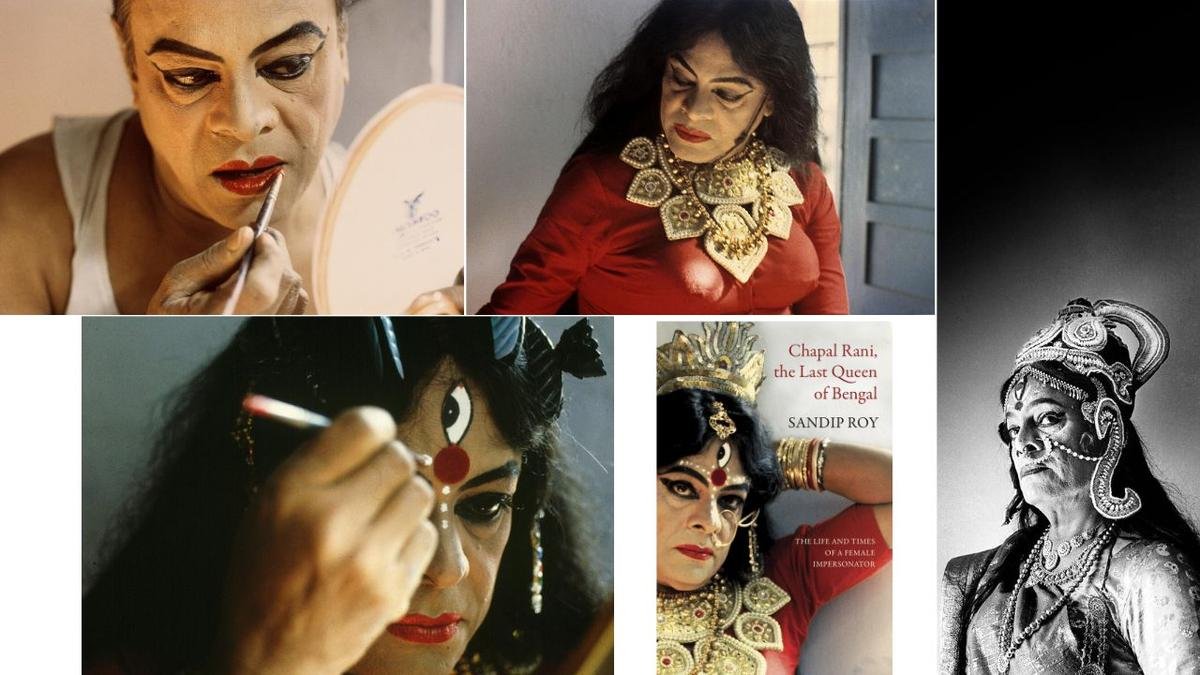
It begins, as many food memories do, in a kitchen. In the recently released biography Chapal Rani: The Last Queen of Bengal (Seagull Books), author Sandip Roy recalls how Chapal Bhaduri, the legendary female impersonator of Bengali jatra folk theatre, lingered in his mother’s kitchen.
Not playing rough with the para (neighbourhood) boys outside, but drawn instead to the rhythms of domesticity: the stirring pot, the clink of bangles against a chopping blade, the quiet choreography of care. Food, for Chapal, was inheritance.
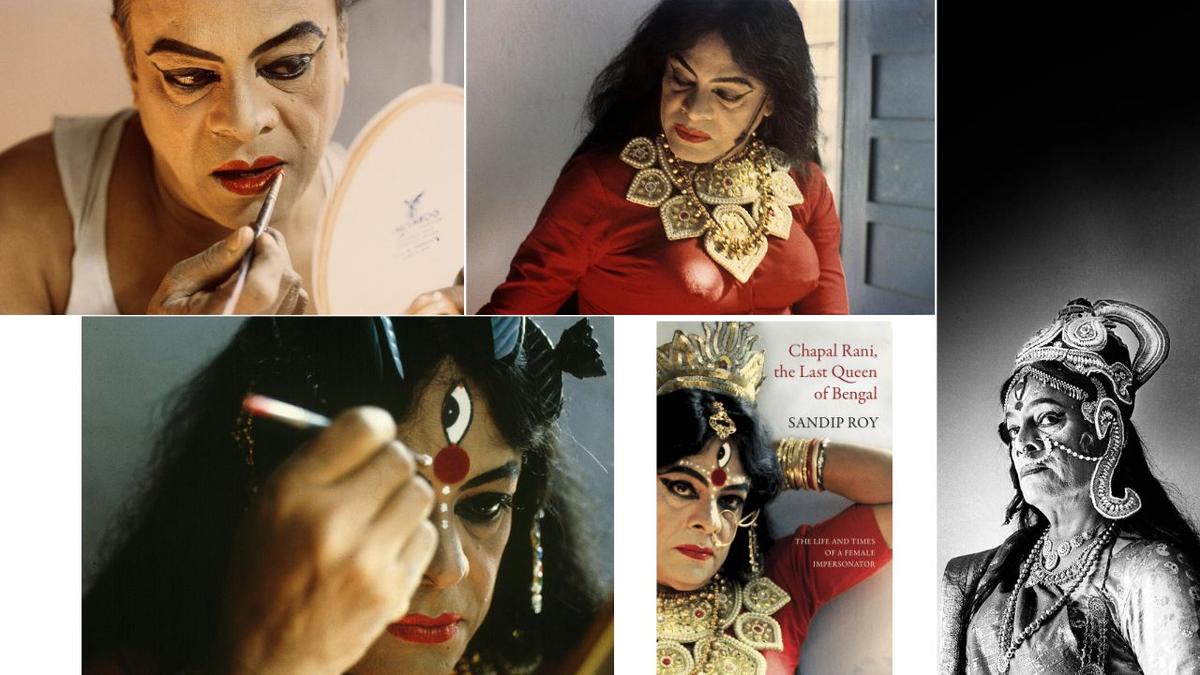
Chapal Bhaduri, aka Chapal Rani, the last iconic female impersonator of Bengali folk theatre jatra.
| Photo Credit:
Courtesy Naveen Kishore/Seagull Books
“Chapal is the living archive and the last custodian of the recipes his mother made. His mother was an immense part of him,” says Roy. “Her recipes and her food were how he held on to her.” Later, in a lover’s home, Chapal slipped almost instinctively into domestic roles of cooking, caring, feeding, mirroring the very femininity he performed on stage. The kitchen, in this sense, became another stage. Even as the vocabulary of queer food in India begins to take shape, Roy suggests it has long existed as lived experience.
Roy’s portrait of Chapal is not just about performance but about absence of vocabulary and labels. “He didn’t have the language we have now — of queer food or being gay,” Roy says. “But he lived it.”
The recipes Roy includes are homespun dishes like mixed achaar and macchhi mulo (fish with radish). “Including recipes in Chapal’s story was an organic way to tell his life.” As he served his savoury papaya halwa with a flourish, Chapal’s sister would tease him that his cooking was over the top “like his jatra”.
Queer food is not a cuisine. It is a way of understanding food through lived experience and where cooking carries stories of identity, longing, secrecy, pleasure and belonging.
When he was a student in the U.S. in the late 90s and early 2000s, Roy remembers that queer Indian gatherings often centred around food. “The potluck dinners gave you a reason to be both queer and desi at the same time.” At a Diwali night, you were just another desi; in a gay bar, simply queer. But around Indian food, both identities found their meeting point.
The shelf life
Food writer Vikram Doctor says, “Food has always been a binding force for the queer community, in India and elsewhere. Queer food books would be a valuable addition in reflecting that.”
The modern grammar of queer food writing was shaped by The Man Who Ate Too Much (2020) by John Birdsall, his landmark biography of James Beard, the gourmand whose legacy lives on in the James Beard Awards, often described as the Oscars of the American food world.
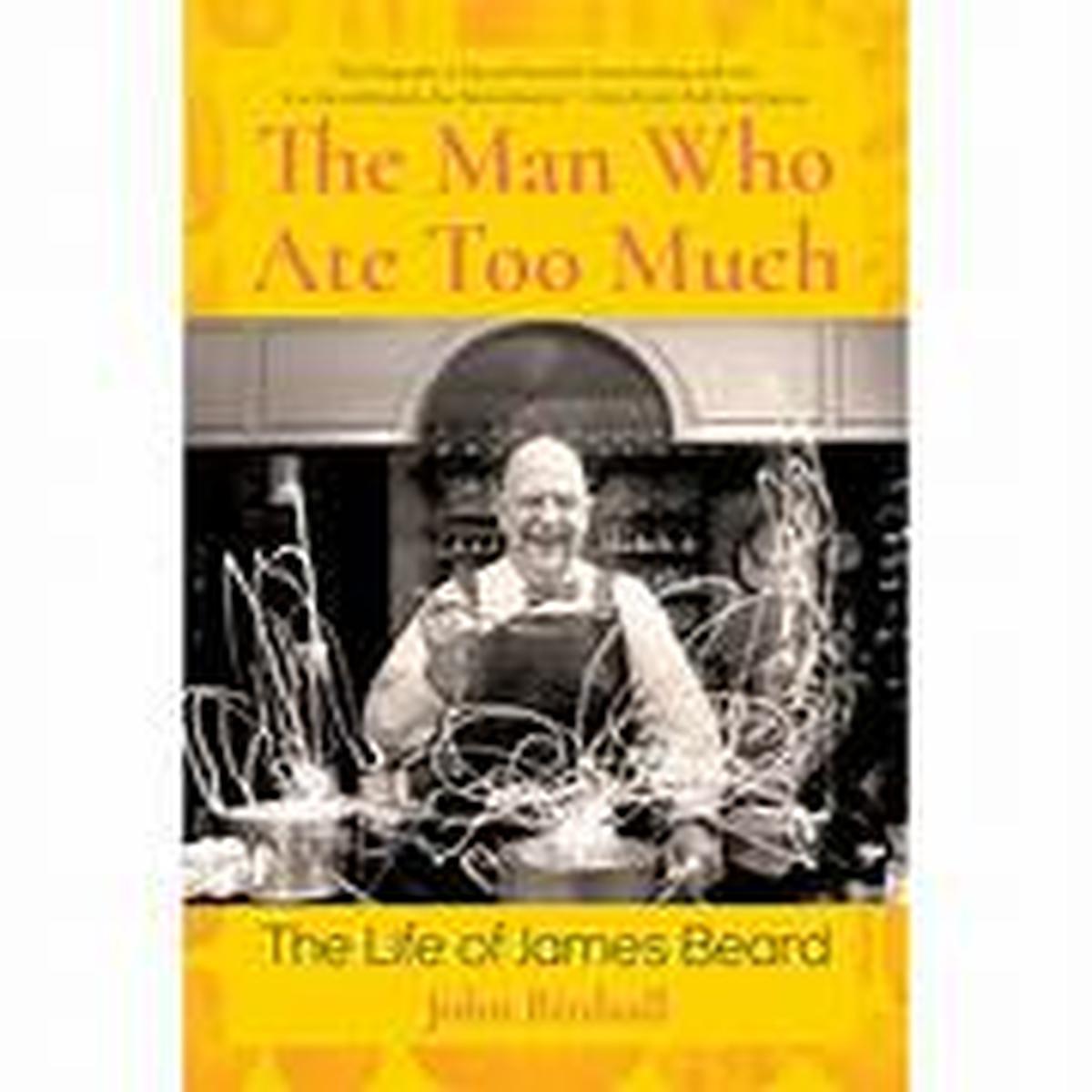
Birdsall placed queerness not at the margins of culinary history but at its centre. Beard’s appetite, ambition, secrecy and loneliness were inseparable from his legacy. Cooking became a way to feed others while hiding oneself.
That insight cracked open an entire genre. Queer food writing since then has not been about rainbow garnish; it has been about the excavation of selfhood and sexuality.
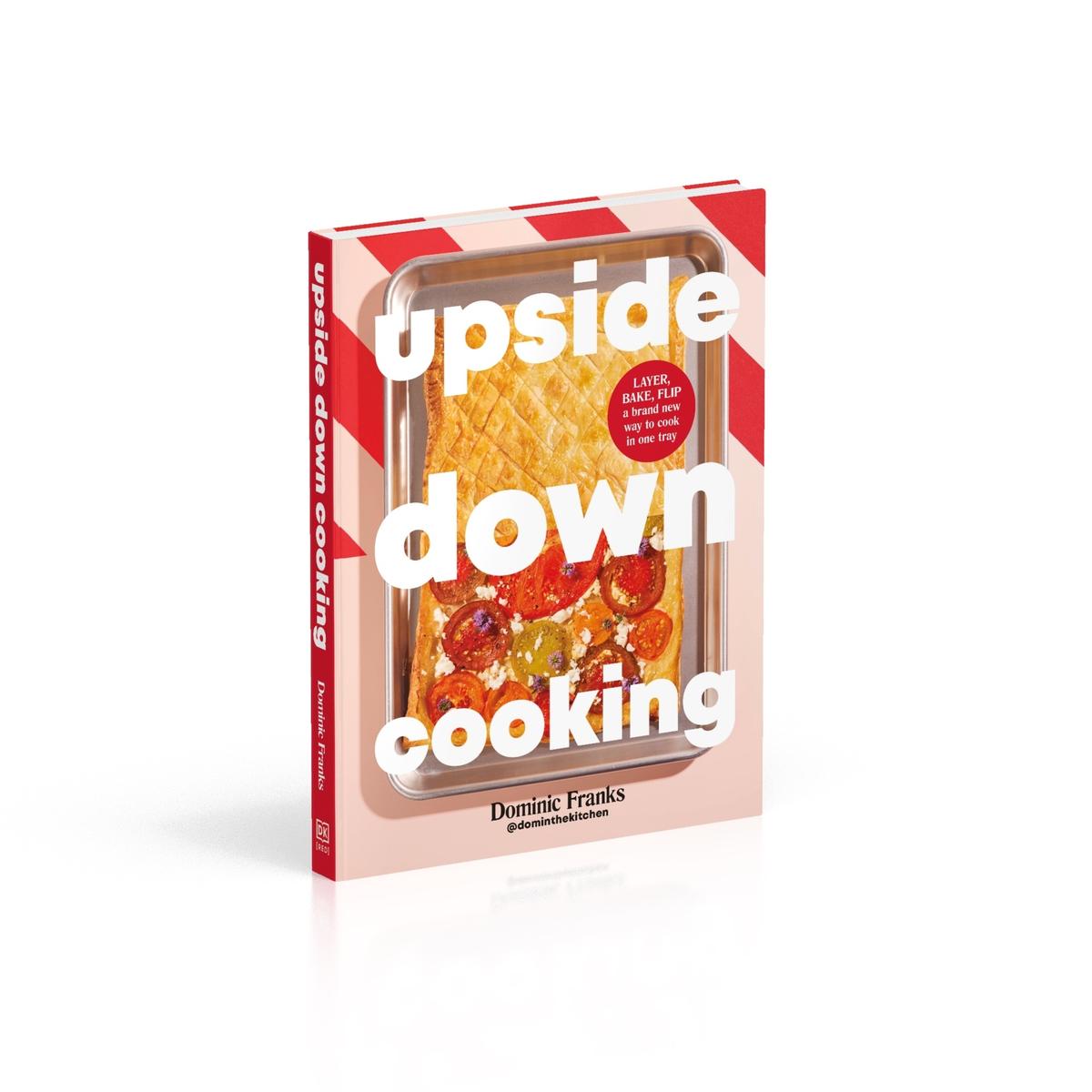
Elsewhere, younger writers bring a lighter, playful energy. London-based creator Dominic Franks turns everyday baking into irreverent storytelling in Upside Down Cooking (2025), flipping classics like spanakopita into tray-baked surprises.

Similarly flamboyant is Dragtails (2023), a cocktail book inspired by drag royalty that treats drinks as theatrical performances. Alice Wood and Greg Bailey’s book offers a salute to the gloriously extravagant Grand Maha-Raja, a showy cocktail of sambuca, Grand Marnier, brandy and lemonade, created by drag performer Raja Gemini, who describes a good cocktail as “a tool to take a performance to another level of elegance”.
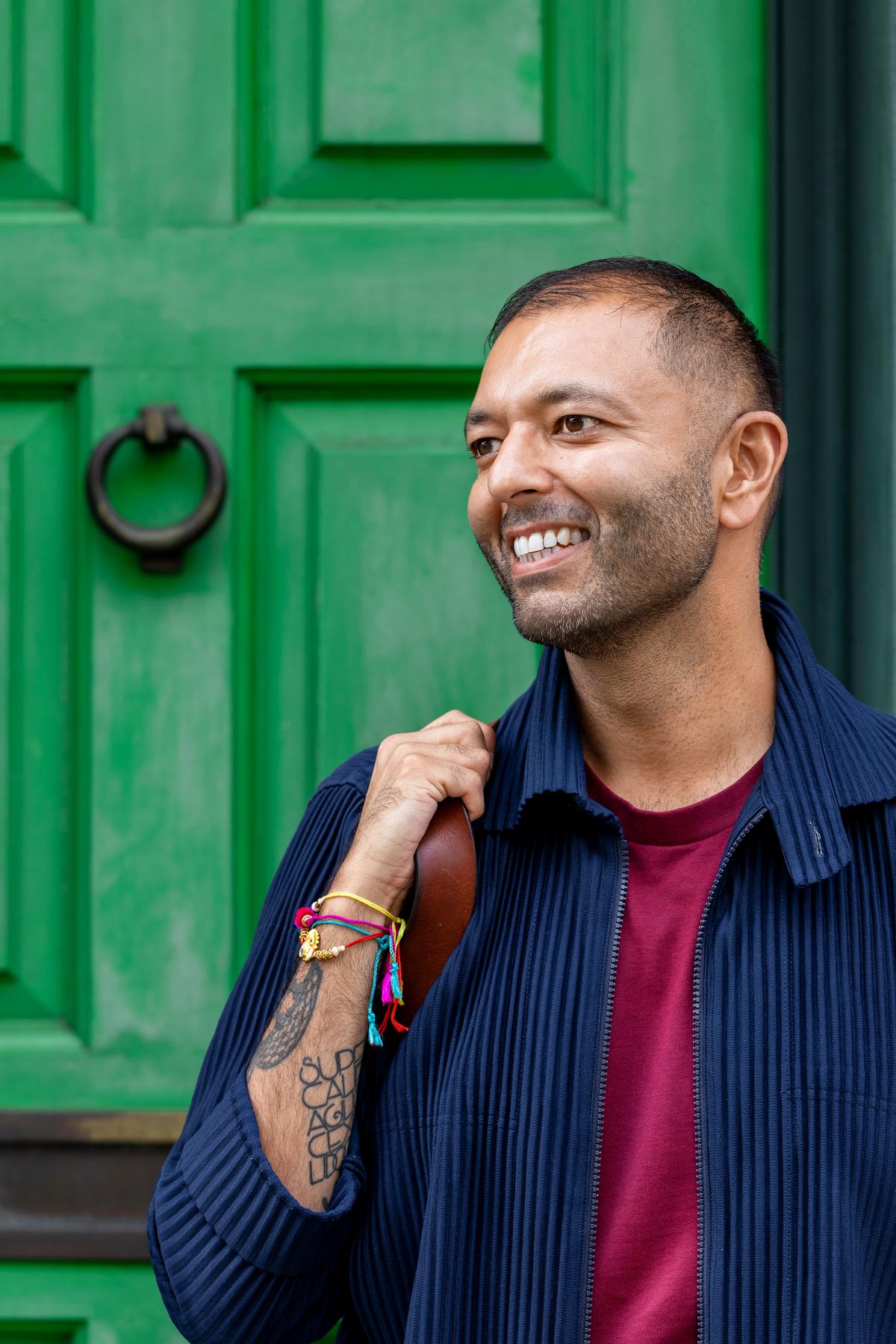
Food writer Gurdeep Loyal.
| Photo Credit:
Jax Walker
Today, these narratives are moving from private kitchens to public platforms. Writers like Nik Sharma and Gurdeep Loyal bring queer perspectives into mainstream food writing, even when not always explicitly labelled. Loyal describes his recipes as “bravely indulgent and liberated from narratives of shame and self-denial,” where his Indianness and Britishness co-exist fully on the plate.
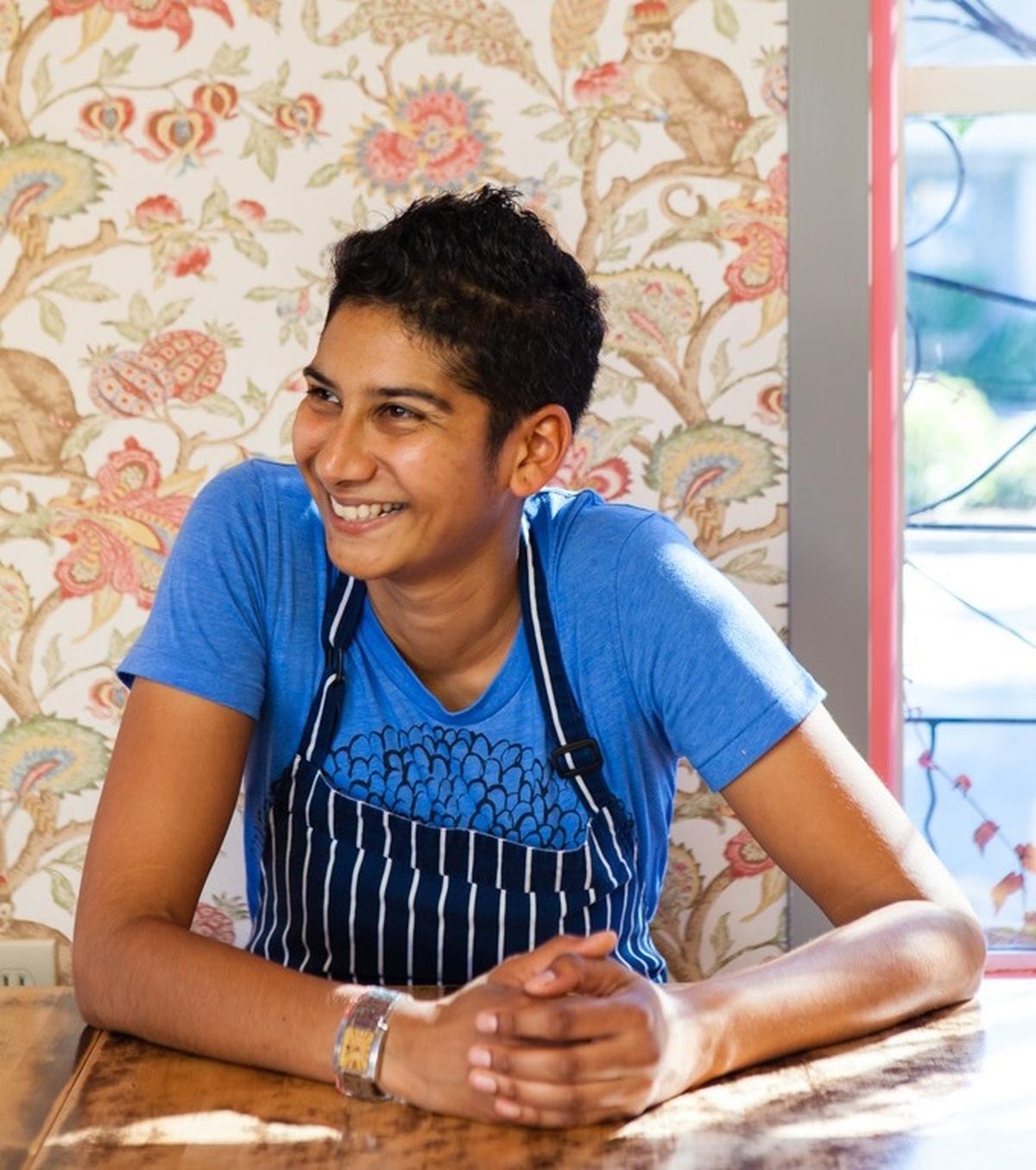
Chef Preeti Mistry.
| Photo Credit:
Alanna Hale
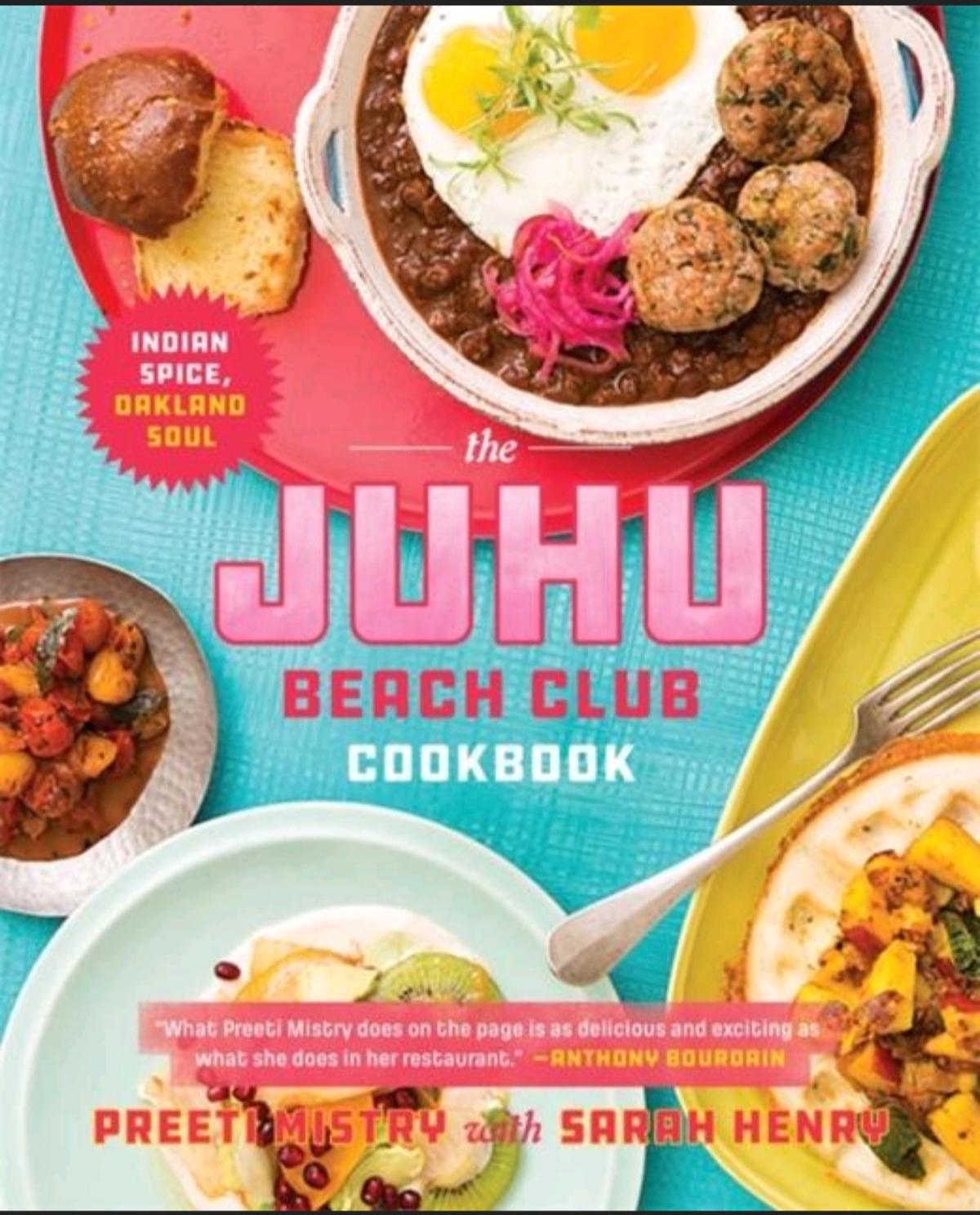
California-based Chef Preeti Mistry, co-author of The Juhu Beach CLub Cookbook (2017), too, redefines the kitchen as a space of visibility and assertion, challenging who gets to cook and lead. For chef Suvir Saran, author of Tell My Mother I Like Boys (2025), the Indian queer community “weren’t thinking about queerness and food; we were living, breathing and bound by food”.
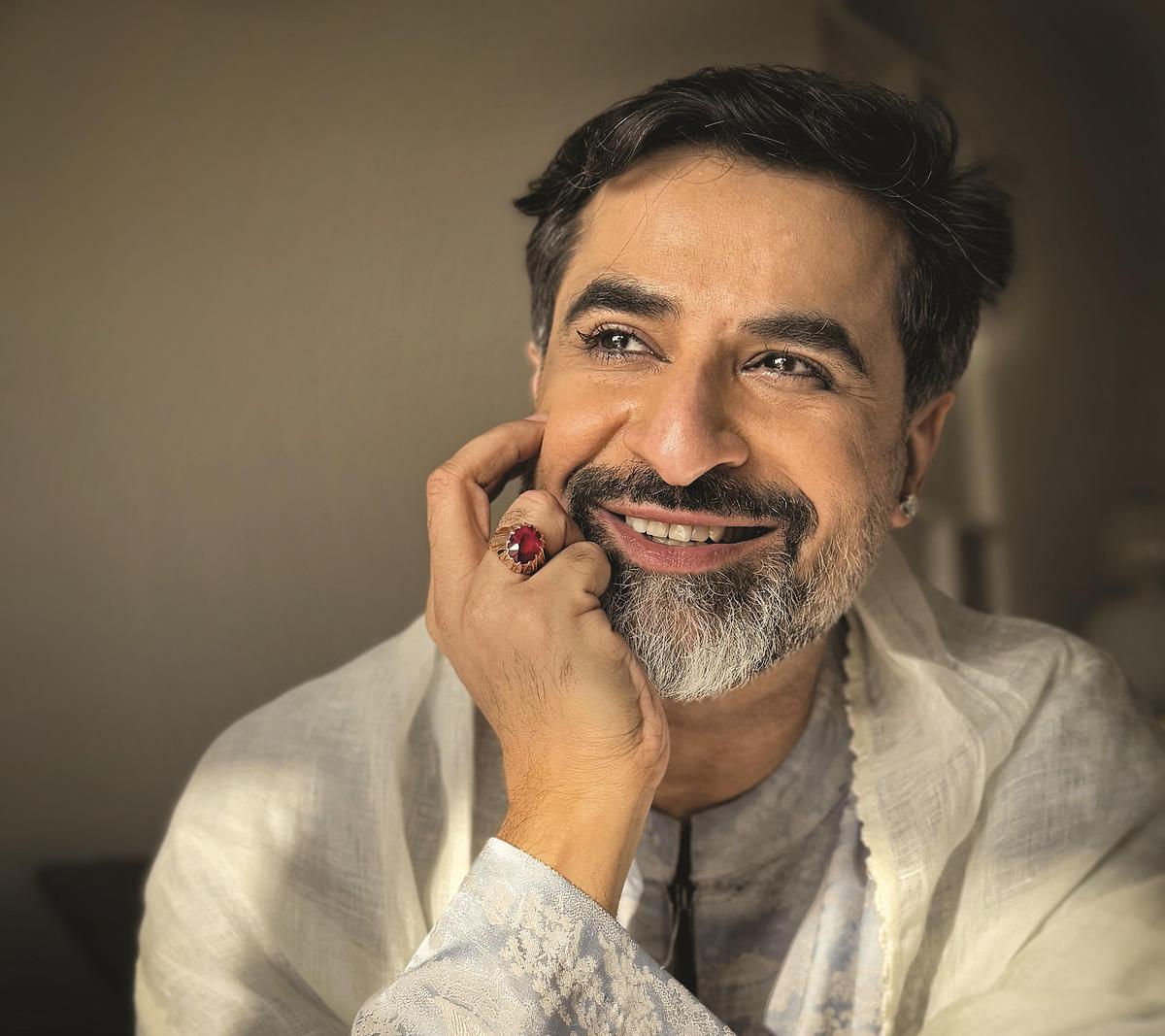
Suvir Saran.
| Photo Credit:
Subyendu Ganguly
As a student in a South Delhi school, Saran recalls planning meals, setting tables with inventive napkin rings, and arranging flowers — “borrowing my mother’s ikebana skills” — long before he had the language to call it queer aesthetics.
Queer food, then, is not about invention. It is about reimagining.
Tasting menu
In India, queer-led pop-ups and supper clubs are often folded into a crowded food culture. Unlike in the West, where queer-dining spaces are explicitly marketed, here they are subtler and embedded within the chaos of cities like Kolkata or Mumbai.
And yet, the impulse remains the same: to gather, to feed, to belong.
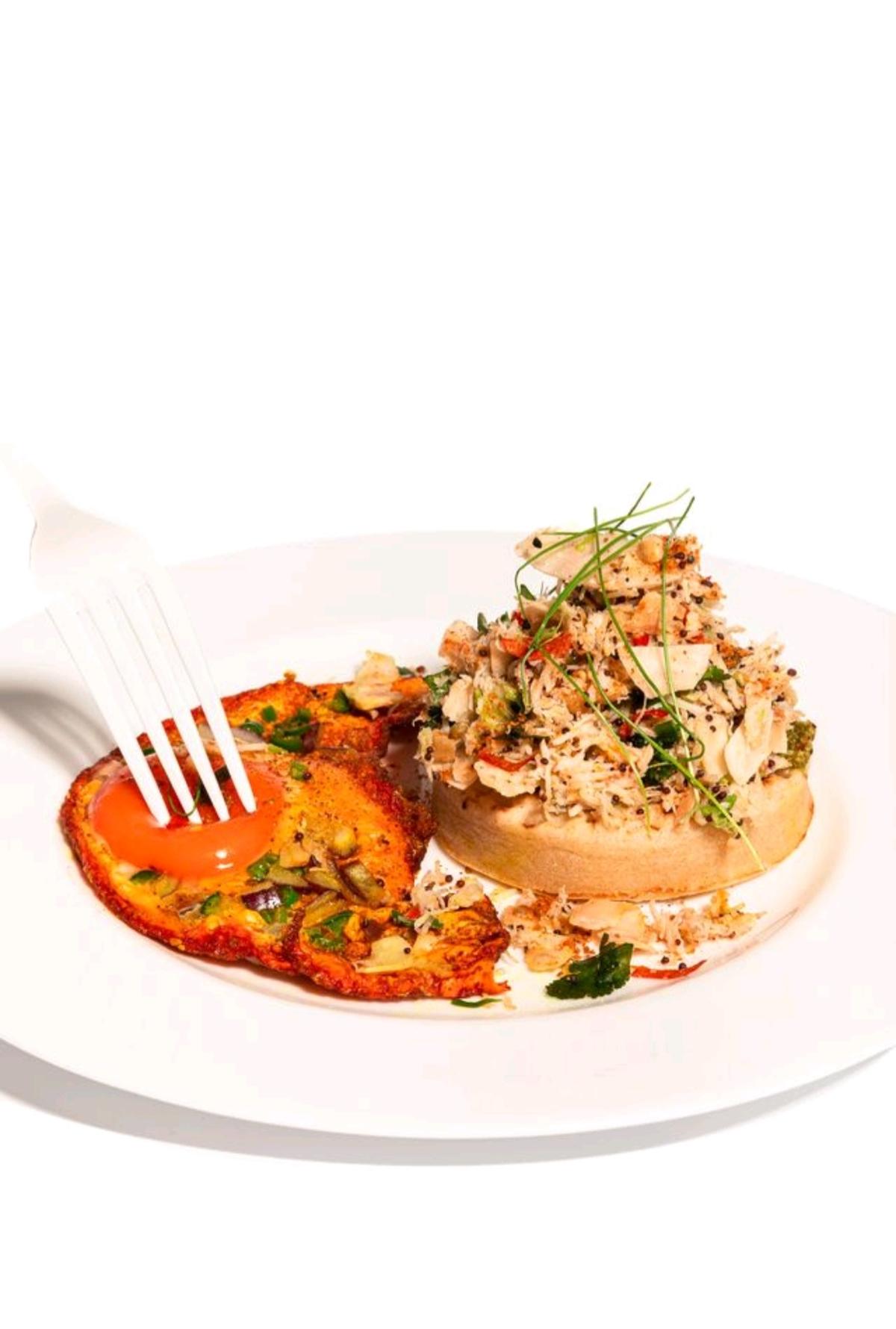
Coconut Crab Crumpets by Gurdeep Loyal.
| Photo Credit:
Special Arrangement
Saran recalls that Veda, the Delhi restaurant he partnered on with the late designer Rohit Bal, embodied a queer, bordello-like aesthetic that was opulent, theatrical, unapologetic. That same energy can be felt at Delhi’s Depot 48, where drag nights and classical music co-exist. Vicky Narula, co-founder of Depot 48, says, “We are reclaiming the kitchen as a space of radical joy,” and Indian queer food books to be a great add-on to queer literature.
Anil Pradhan and Andronicus Aden in ‘Achāri Anecdotes: Exploring Queer Food Cultures in Indian Kitchens’ (a chapter from Queering Nutrition and Dietetics: LGBTQ+ Reflections on Food through Art, 2023) write about how food is queered through memory, intimacy and camaraderie, whether by cooking for partners, reworking traditional dishes, or blurring rigid food categories. A dish like ‘Paneer Rituparno’, for instance, playfully challenges culinary orthodoxy while playing on the name of the late Bengali filmmaker Rituparno Ghosh.
Thus, the recipes that emerge from queer spaces and the books are as varied as the lives behind them:

Miso Masala Fried Chicken Sandwich by Gurdeep Loyal.
| Photo Credit:
Special Arrangement

Saffron Custard Tart with Candied Fennel Seeds by Gurdeep Loyal.
| Photo Credit:
Special Arrangement
Paan dipped in condensed milk and toasted coconut.
A dosa waffle.
A saffron custard tart with candied fennel seeds.
A miso-masala fried chicken sandwich.
A sharp, spicy ginger, chilli and vodka Monicatini.
Or simply, roshogolla with extra syrup.
And, sometimes, it is quieter still — two people, a biographer (Roy) and a queen (Chapal Bhaduri), sharing cha in clay cups and biskoot in a shadowy room in North Kolkata.
The writer is the author of Temple Tales and translator of Hungry Humans.