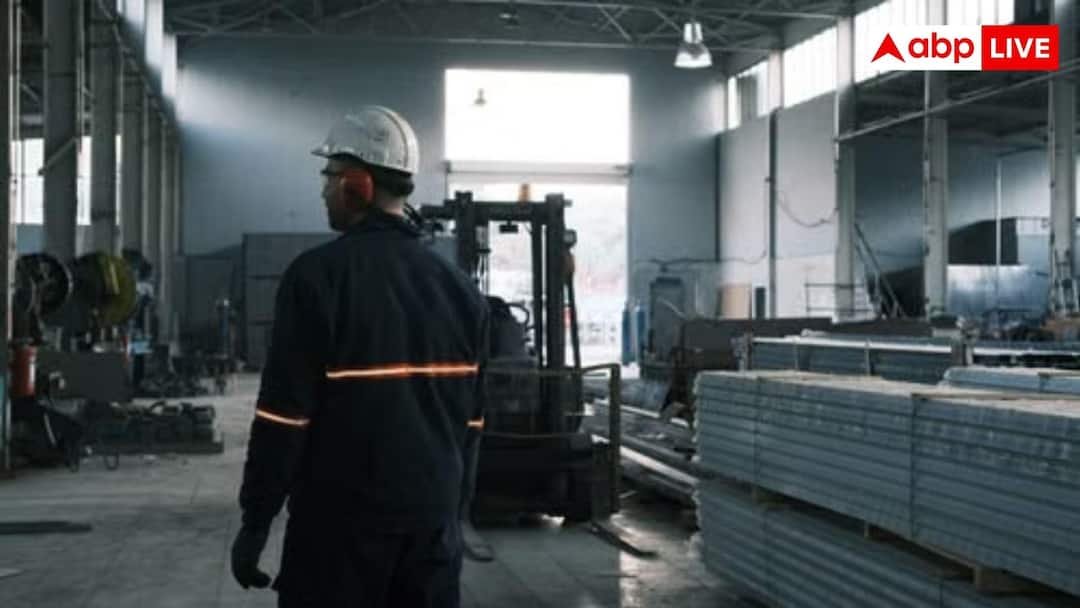


Mahindra is moving ahead with the first 800 acres of its 1,500-acre Nagpur manufacturing complex, which will produce automobiles and tractors across multiple powertrains with annual capacity exceeding 6 lakh units.
| Photo Credit:
WALDO SWIEGERS
Mahindra is moving to take the first 800 acres for its biggest manufacturing complex in Nagpur, a 1,500-acre hub designed to produce ICE and electric vehicles alongside tractors, with capacity exceeding 6 lakh units a year, a 150-acre supplier park and a new skilling centre to prepare its workforce.
Industry experts say the Nagpur complex is being conceived as a flexible manufacturing hub capable of producing internal-combustion and electric vehicles, as well as tractors, giving Mahindra room to alter its production mix as India’s transition between powertrains unfolds. The greenfield investment also provides the automaker with substantial additional capacity as it expands its SUV and electric-vehicle businesses.
Announced earlier this year, the facility will be complemented by a 150-acre supplier park in Sambhajinagar. Mahindra said components from the park will feed the new Nagpur factory as well as its existing manufacturing operations at Chakan and Nashik, creating a wider production and sourcing network across Maharashtra.
The first package of approximately 800 acres represents more than half of the land required for the eventual Nagpur complex and moves the project another step towards physical development.
Mahindra’s biggest manufacturing site
Once fully operational, Nagpur will be Mahindra’s largest integrated manufacturing facility in India, with combined annual capacity exceeding 6 lakh automobiles and tractors.
Industry estimates put Mahindra’s Chakan manufacturing complex at around 650 acres and its Nashik plant at roughly 150 acres. On that basis, the proposed 1,500-acre Nagpur site would be more than twice Chakan’s land footprint and roughly ten times Nashik’s.
Mahindra said the facility will manufacture automobiles and tractors across multiple powertrains and future technologies. Industry experts say that configuration could allow the company to build both ICE and electric vehicles and adjust production as demand evolves, rather than committing to a greenfield investment of this scale in a single propulsion technology.
Mahindra has not disclosed which models or platforms will be manufactured at Nagpur.
The 150-acre Sambhajinagar supplier park is also designed to serve more than the greenfield factory. By supplying Nagpur, Chakan, and Nashik, vendors setting up there could support three Mahindra manufacturing locations rather than relying on production from a single plant.
Skilling workers for Nagpur
Alongside the physical investment, Mahindra is beginning to build the workforce needed for the new facility.
The company plans to establish a skilling centre in Nagpur, covering areas such as mechanical operations, welding, and painting, while developing the capabilities required to manufacture automobiles and tractors across multiple powertrains and future technologies.
Mahindra will also draw on experienced associates from its existing manufacturing operations. Over the next two to three years, these employees will have an opportunity to participate in a detailed selection process for roles at Nagpur.
The process will assess technical capability, demonstrated behaviours, alignment with Mahindra’s values and ability to collaborate effectively, the company said.
The strategy would allow Mahindra to seed the greenfield factory with experienced employees while simultaneously developing a locally trained workforce—an important consideration as automobile and component manufacturers contend with shortages of skilled shop-floor workers.
Mahindra has not disclosed the eventual workforce requirement or number of jobs the project will create. It said further details on workforce requirements, opportunities and associated processes will be communicated as the project progresses.
At full scale, the Nagpur complex will give Mahindra the capacity to manufacture more than 6 lakh vehicles and tractors annually from its largest integrated manufacturing site, while retaining the flexibility to serve a vehicle market shifting across conventional and future powertrains.
Published on August 31, 2026