

As Indian manufacturers move into EVs, hybrids, plug-in hybrids and range-extender vehicles, their dependence on Chinese capabilities has only increased, industry sources said.
| Photo Credit:
istock.com
The gradual thaw in India-China relations is raising hopes in the Indian automobile industry that New Delhi and Beijing could begin easing some of the restrictions that have made access to Chinese technology, components and business partners increasingly difficult, particularly as automakers accelerate their transition to electric and hybrid vehicles.
The industry is closely watching the expected visit of the Chinese President Xi Jinping for the BRICS summit in New Delhi next month. The latest diplomatic engagement has further raised expectations in industry. National Security Adviser Ajit Doval held the 25th round of Special Representatives’ talks with Chinese Foreign Minister Wang Yi in Beijing on Tuesday. For automakers, the significance of the thaw goes well beyond the border issue.
China has become an increasingly important source of EV platforms, battery cells and technology, power electronics, electric powertrains, rare-earth permanent magnets and other critical components. As Indian manufacturers move into EVs, hybrids, plug-in hybrids and range-extender vehicles, their dependence on Chinese capabilities has only increased, industry sources said.
Particularly when it comes to battery cells, critical electricals and rare earth magnets, India has a strong dependence on China. For instance, in the last financial year (FY2025-26), India imported auto components worth $17.75 billion from Asia with a which was a growth of 19 per cent from the previous year, and majority of them were from China.
As per the Automotive Component Manufacturers Association of India (ACMA’s) annual performance review also, percentage wise imports from China were 36 per cent, followed by Japan at 11 per cent and South Korea 7 per cent among the Asian countries.
The visa issue has become a particular irritant for companies dependent on regular interaction with Chinese suppliers and engineering teams.
“The visa issue is almost permanent for technical people (engineers) now and very limited to a few people in a go. Companies are finding it tough to get visas for even Trade Fairs in China now, unlike earlier when planes full of components makers used to go,” a veteran from auto components industry told businessline adding that the industry hopes some ease in restrictions post the BRICS meeting next month.
Another executive said for rare earth magnet too, the licenses are still restricted and what China has done since last year is allowing only fully assembled rotor or finished motor to be imported to India, instead of parts which were directly imported and assembled in India later.
“The traditional internal combustion engine (ICE) vehicles are also requiring higher amount of electricals or electronic items, and of course in EVs too, apart from rare earth magnets and battery cells. Therefore, the import will be higher from China until we make them or assemble here,” said the executive.
The thaw is, therefore, being watched closely by both large automakers and newer players with Chinese technology links. Therefore, Mahindra & Mahindra (M&M), Maruti Suzuki and Tata Motors are looking to strengthen their EV capabilities, while companies such as Stellantis, Nissan and JSW are pursuing arrangements involving Chinese partners or technology.
Currently, Tata AutoComp Systems (a Tata Group’s subsidiary) operates a joint venture called Tata AutoComp Gotion Green Energy Solutions to manufacture lithium-ion battery packs utilising cells from China’s Gotion, and supplied to Tata EVs.
Similarly, M&M and Maruti Suzuki import Blade Cells from BYD’s battery manufacturing subsidiary from China. And, global companies like Stellantis is bringing China’s Leapmotor brand to India, while Nissan has been exploring the use of products developed through its joint venture with China’s Dongfeng Motor.
Industry analysts said the opportunity for India was not merely to secure components from China but to gain access to technology and know-how that could help accelerate localisation.
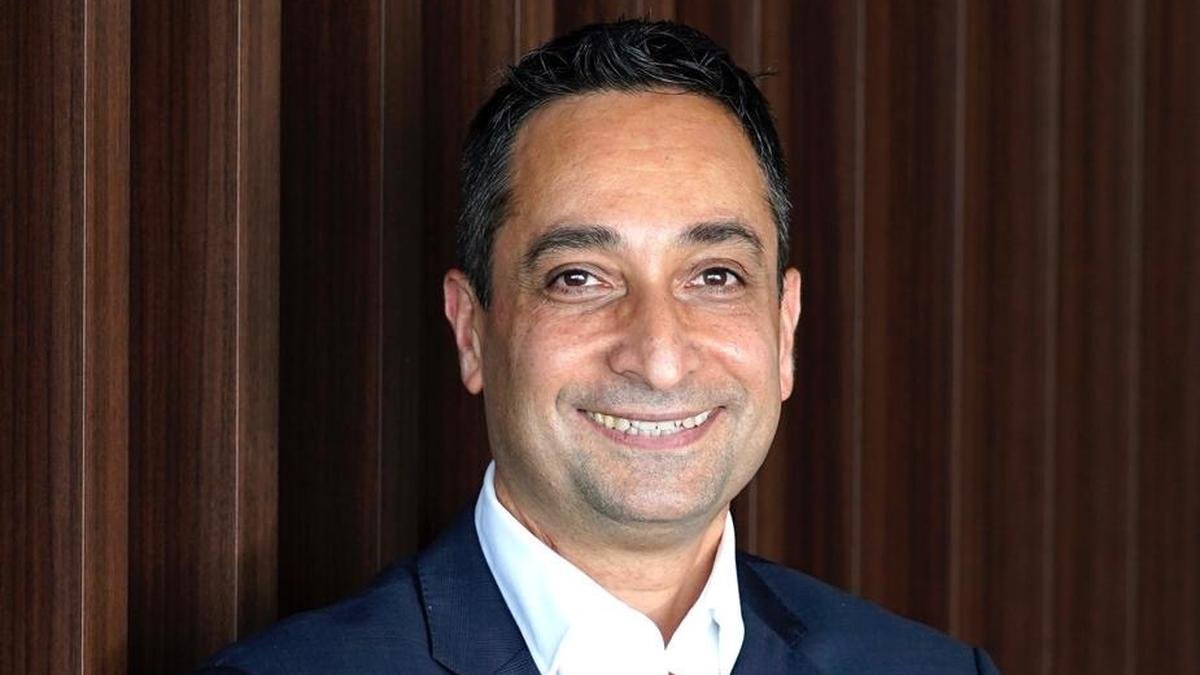
“India’s priority should be to build a strong and competitive EV ecosystem. Given that battery technology is still largely dependent on Chinese capabilities, we should remain open to technology and partnerships from across the world including mainland China,” said Puneet Gupta, Director, Sales and Powertrain Forecast, India & ASEAN, Mobility Global.
He said the focus should be on technologies that could accelerate localisation, strengthen India’s supply chain and support the long-term growth of the automotive industry.
Automotive components industry executives quoted above agree that China’s increased restrictions are mainly because of India’s focus on domestic value addition, and China wouldn’t like that. Therefore, whether it was rare earth magnet or other critical components, they want to keep their value addition to themselves rather than transferring them to India and happy to export only finished products to India.
Published on August 28, 2026