









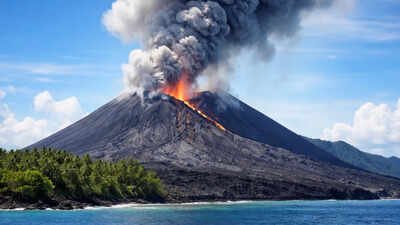
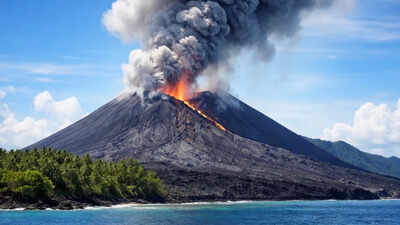
Imagine sailing across the deep blue waters of the Andaman Sea, with the dark rugged slopes of a volcanic island rising in the distance. As your boat circles the coastline, you might be lucky enough to spot a plume of smoke rising from its crater, as the earth remains active beneath this still view. Located in the Andaman and Nicobar Islands, Barren Island is home to India’s only confirmed active volcano, rising 354 meters above sea level and approximately 140km northeast of the capital, Port Blair. For travellers looking for an adventure beyond the usual island-hopping itinerary, this remote destination offers a rare opportunity to witness a volcanic view from the sea. However, one landing restriction makes the journey about respecting both nature’s bounds whilst also revelling in its extraordinary beauty.
Why is Barren Island off-limits for visitors?
As suggested in its name, the Island is an uninhabited volcanic island,known for its dark lava covered slopes, rugged terrain and the deep ocean surrounding it. While, the landscape may tempt any traveller to explore its shores, access to the island is restricted, and visitors can only admire or enjoy its beauty from boats or various marine excursions.
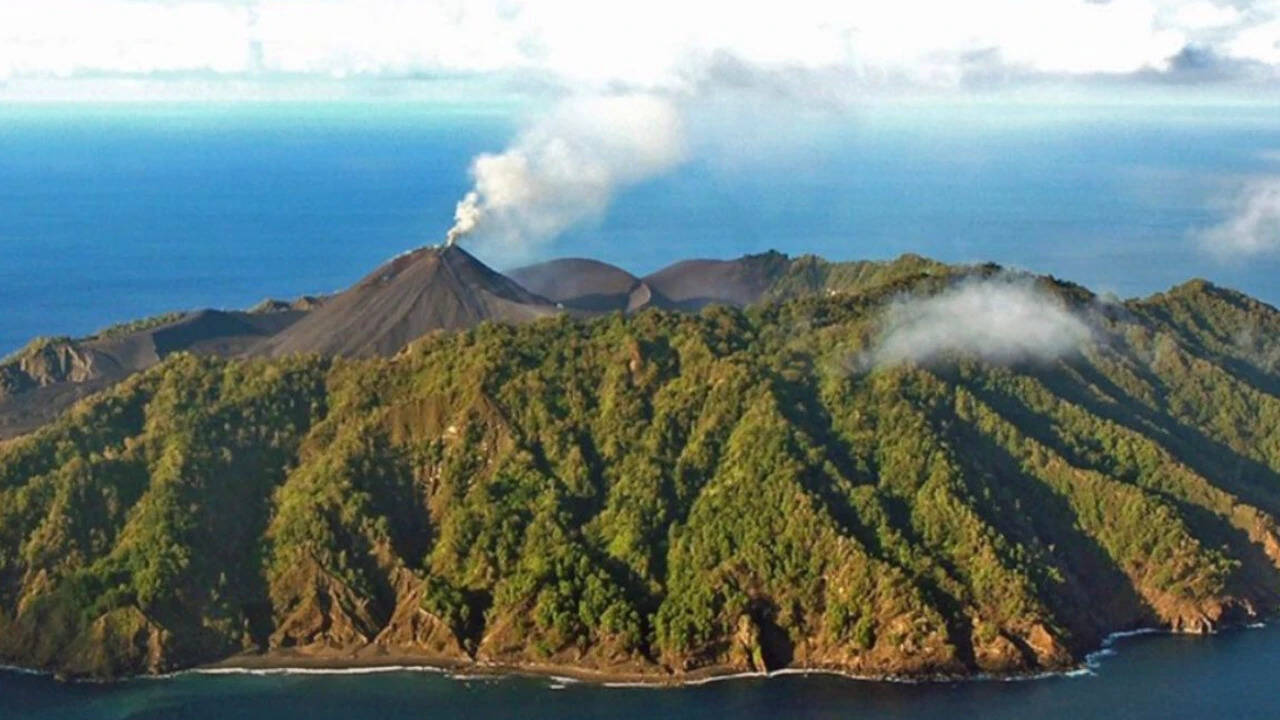
Image credit: incredibleindia.gov.in
The restrictions for the land were set for several reasons: an active volcano can erupt without offering tourists an opportunity to respond safely, and the island’s remote location would make emergency access challenging. This restriction however also helps preserve the island’s fragile terrestrial and marine ecosystem. A trip to this active volcanic site is not a conventional visit but the experience is centered on observing the volcanic landscape from the water, an adventure in itself.
What makes India’s only confirmed active volcano remarkable?
The island’s volcanic history traces back to the 18th century with its first documented eruption dating back to 1787, when a British sailor recorded smoke and volcanic activity on the island. Further eruptions were recorded over the centuries, including significant activity in 1991 and the most recent activity in 2017. During the January 2017 episode, scientists observed ash clouds during the day and red lava fountains after sunset, with molten material flowing down the volcano’s slopes.The island forms part of a volcanic belt associated with the tectonic boundary between the Indian and Burmese plates. Much of the volcanic structure lies underwater, with the summit emerging above the sea to form the island visible today. Although Barren Island remains active, it does not erupt continuously. Visitors may see smoke or other signs of activity, depending on conditions.
How to reach Island?
Reaching Barren Island requires advance planning, as regular passenger ferries do not operate to the island. Travellers typically arrange an authorised boat trip or a specialised diving trip through an operator based in Port Blair or Swaraj Dweep, previously known as Havelock Island.
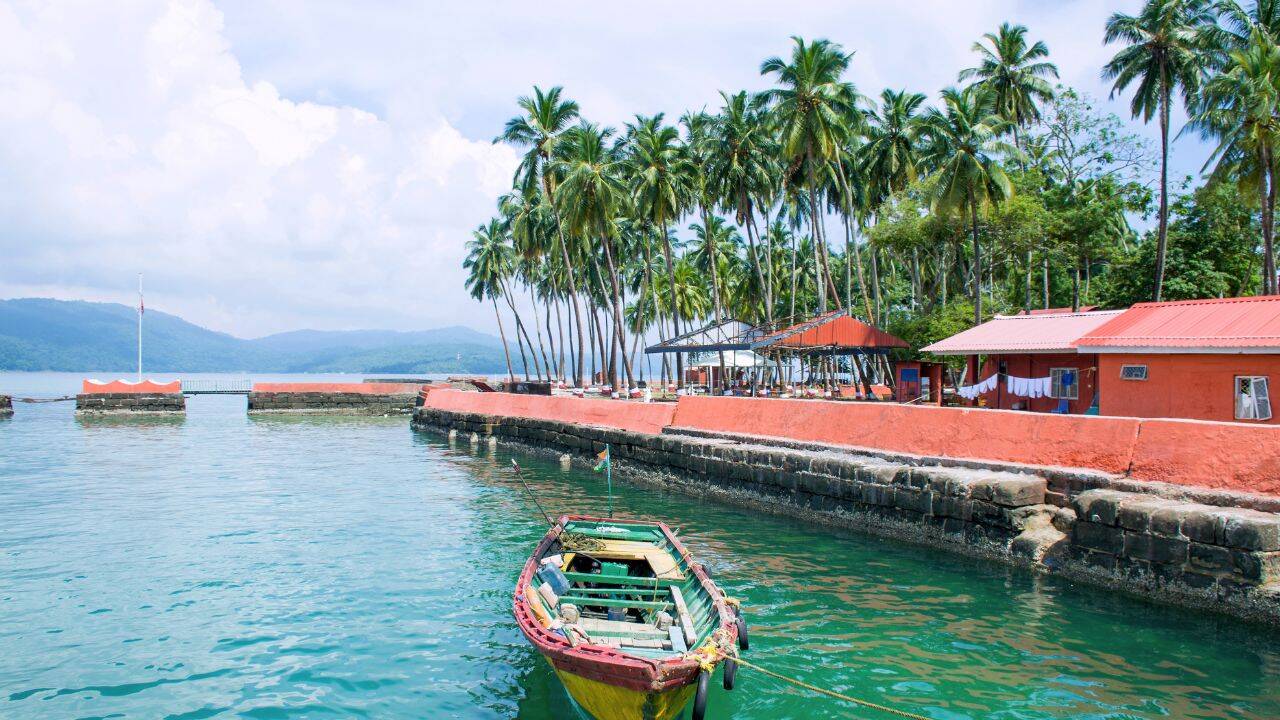
Image credit: Canva
From Port Blair, the boat journey takes approximately 4-5 hours, depending also on the sea conditions. Travelling from Swaraj Dweep is another option and can even be more convenient, with the journey taking roughly 2-3 hours. The trip generally requires a full day, and availability depends on weather, sea conditions, permissions and the operator’s schedule. Since the island is a restricted destination, travellers should confirm the necessary details with their tour provider before booking.
Activities around the Island
1. Observe the volcanic landscape from a boatThe defining experience of visiting Barren Island is seeing the volcano rise out of the sea. If the volcano is visibly active during your visit, you may spot a plume of smoke or ash. Glowing lava, however, is an exceptional sight and should not be expected on every excursion.2. Scuba divingThe waters surrounding Barren Island are also known for their marine life, making the area appealing to experienced divers and underwater photography enthusiasts. Scuba diving is subject to permissions, operator availability and suitable sea conditions, so travellers should arrange it through a qualified, authorised diving provider.3. SnorkellingFor those who would rather remain closer to the surface, snorkelling can offer a glimpse of the marine environment around the island. Clear water and favourable visibility can make the experience especially rewarding, although conditions vary with the weather and currents. As with diving, visitors should confirm whether snorkelling is permitted and included in their chosen excursion.
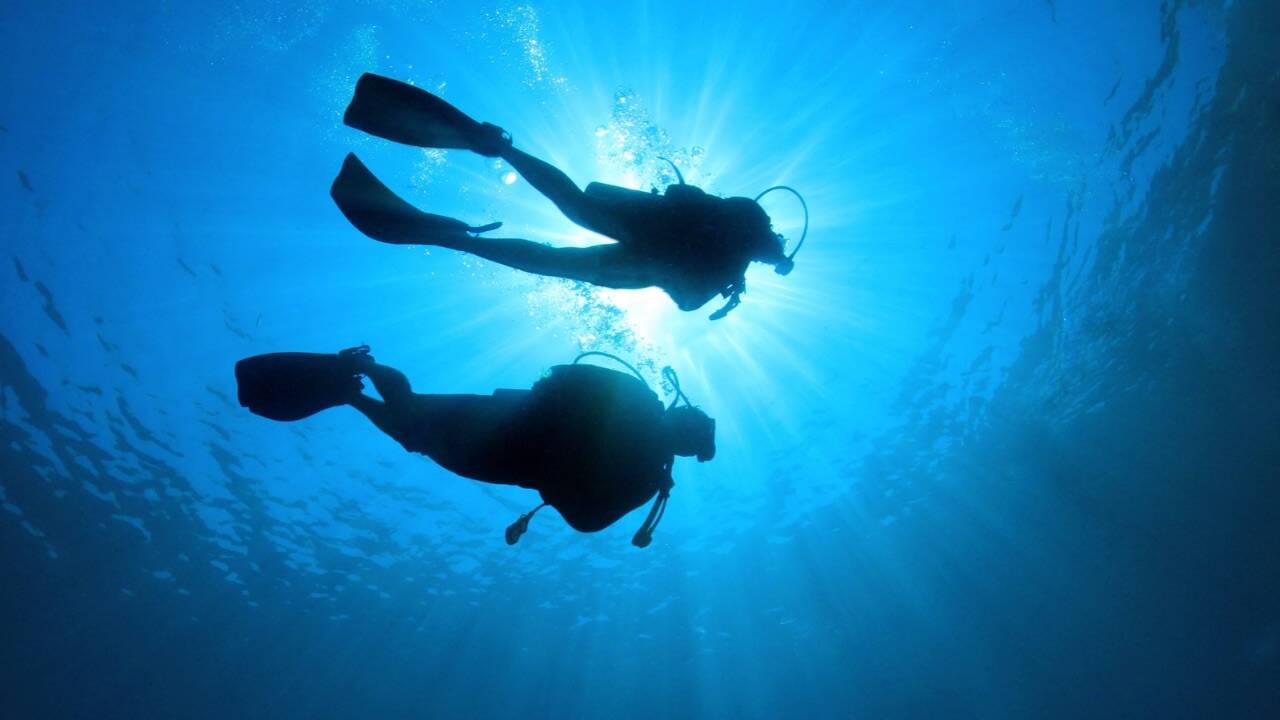
Image credit: Canva
Barren Island is not a destination where the adventure lies in stepping onto unfamiliar shores. Its appeal comes from witnessing a powerful natural landscape from a safe and permitted distance, surrounded by the vastness of the Andaman Sea. For travellers planning to venture beyond familiar beaches, resorts and island trips, this volcano makes for a great trip, with extraordinary natural sights that can be experienced while also preserving the flora and fauna.