











People have a dream of a closet that doesn’t just consist of clothes, rather a space that holds stories, culture and respect for tradition. For instance, one can wish to own a collection of sarees that are acquired from different corners of India engrained with hard work of local artisans. They wouldn’t simply be a collection of clothes rather an exhibition of the rich textile and handcraft culture of India. It seems obvious that such people enjoy shopping more than those who shop without any such consideration. Well, psychology has now proven this popular assumption with an elaborate study proving how collecting mindset changes what we want.There is a certain joy in finding that one incomplete piece from a collection, it could be a figurine, a collectible or the last book of a favourite series. The excitement builds over time, with waiting, anticipation, search efforts and then finally finding it at a small store somewhere. People may even save meticulously to complete their collections, thus, making them happier than just getting something they need. Let us dive into what psychology says about such people and their relative joy while shopping.A study titled ‘The Collecting Mindset: Viewing Purchasing as Collecting Enhances Acquisition Experience and Product Desirability’ examines how thinking of a purchase as an addition to a collection can change the shopping experience. The study involved 3,306 participants and found that adopting a collecting mindset could make the process of acquiring something more enjoyable. It can even increase the product’s desirability. In other words, sometimes the thrill is not just about what we are buying. It is about what that purchase means in the larger scheme of things.

(Image Credit: Canva)
The psychology of finding the missing piece
Impulsive shopping often makes you feel guilty later. The lack of thought behind the purchase- do you need it, do you like it or do you even have enough money—makes you question if the purchase was even necessary. But spending on something you have thought about, or rather dreamt about for a long time will only bring you happiness.The researchers found that when people were encouraged to view products as additions to their collections rather than as isolated purchases, their attention shifted towards the experience of building the collection. Searching for the right item became part of the pleasure, rather than merely a task to complete before reaching the checkout. This enjoyment, in turn, could make the product itself seem more desirable.It is a subtle distinction, but one that helps explain why collectors can spend hours browsing, comparing and hunting for something specific. The search is not simply an obstacle between them and the object. It is part of the reward.
From ordinary shopping to a personal treasure hunt
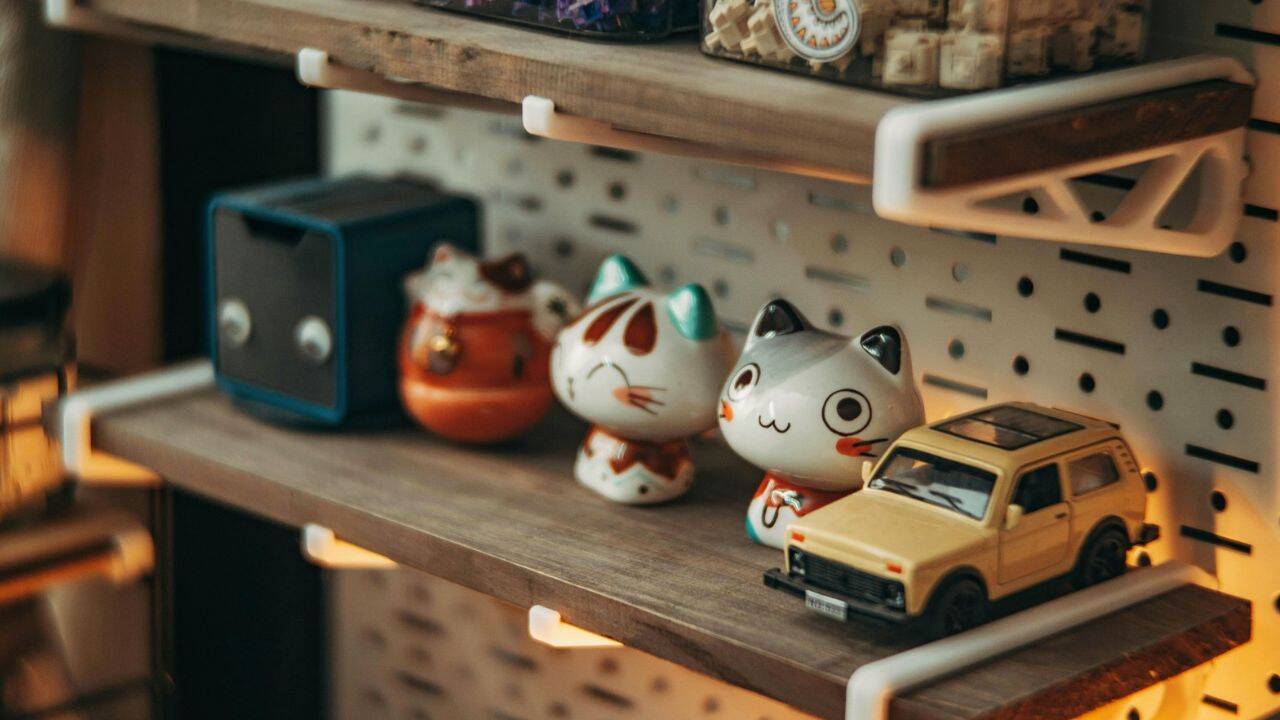
Some people collect fridge magnets from every city they visit. Others have a soft spot for illustrated editions of classic novels, quirky earrings, vinyl records or tiny ceramic animals. Even a collection of postcards can become a record of places visited and memories made. What matters is the sense of connection between the objects. Each new addition has a place in a story that is already unfolding.
(Image Credit: Canva)
The research also highlights an important condition: the new item should meaningfully advance the collection, and the collection should connect with an identity the person values. If the purchase feels irrelevant to that identity, the positive effect may weaken or even reverse. The researchers also point to active involvement in the search as an important part of creating an enjoyable acquisition experience.
Why retailers love a collecting mindset
There is another side to this discovery, and it has plenty to do with how brands sell products.Ever noticed how certain products are released in themed series, seasonal editions or matching sets? Think of collectible toys, limited-edition packaging, beauty products in coordinated shades or travel souvenirs designed to encourage you to bring home one from every destination.These strategies give shoppers a reason to return. Rather than asking whether they want one product, the question becomes whether they want to complete the set or discover the next addition.The above research offers a psychological explanation for why this approach is adopted by brands. Brands utilise this technique by encouraging consumers to see an item as part of a meaningful collection. They can also make the search itself more engaging and the product more appealing.However, this collective mindset can also have consequences for your wallet. A separate 2024 study titled ‘Collective influence: How the collection mindset shapes consumer spending and price perceptions’ has studied these consequences. It studies that thinking in terms of collections could influence how consumers evaluate prices and make subsequent purchases. The researchers found that a collecting mindset could make people less sensitive to price changes, partly because they evaluated items more for enjoyment than for practical usefulness.Thus, give your next purchase a thought as it is not just about having a collection of material things, but creating an assortment of emotions.