







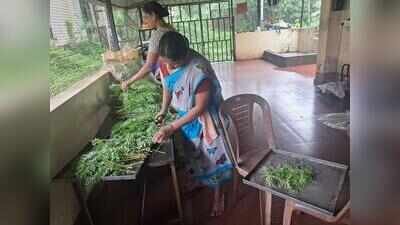
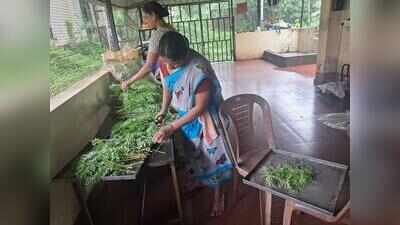
Panaji: Once largely treated as a humble backyard tree, moringa is beginning to attract renewed interest among local farmers who are exploring its potential as a nutritious crop as well as a source of value-added products.Farmer and state-level coordinator of Bicholim Farmer Producer Organisation (FPO), Siya Shetkar, is currently cultivating around 500 moringa plants and plans to add another 2,000 plants.“The decision to promote moringa stems from its nutritional value and market demand. Being a low-maintenance crop, it is also relatively easy to cultivate, requiring little intervention compared with many other crops. One doesn’t have to apply pesticides or fertilisers. Even kitchen waste can be used,” she told TOI.The group is also looking beyond selling fresh produce, exploring products such as moringa powder and oil.The group has been in touch with the Old Goa-based, Indian Council of Agricultural Research (ICAR) Krishi Vigyan Kendra and its officials, as well as the state agriculture department.“The plan is to extend planting material to farmers and farmer-producer companies in other talukas, including Pernem and Sattari, to encourage wider cultivation,” said farmer, Vishwambar Gawas.Subject Matter Specialist, Floriculture and Landscaping, at the Krishi Vigyan Kendra (KVK) North Goa, Nivya KR highlighted the crop’s nutritional potential.“Moringa leaves contain high levels of beta-carotene, a precursor of vitamin A, and are a nutrient-dense alternative to carrots. The leaves are a good plant-based source of protein, having more protein than peas. Moringa leaves also contain high levels of vitamin C, calcium, potassium, iron and minerals,” she said.“Tender young shoots and leaves are softer and more suitable for direct consumption. Mature leaves can be dried and powdered, allowing them to be stored for longer and used as a convenient nutritional supplement. It can form part of a balanced diet for the general population, including women, senior citizens and people involved in fitness or sports. Unlike many seasonal vegetables, a moringa tree can provide leaves over an extended period, making it a practical nutrient source for households,” she said.The scientist also recommended regular pruning to keep moringa trees shorter and encourage side branches.“With growing awareness of nutrition and demand for convenient food products, moringa could become more than a traditional flower in Goa. The underutilised crop can be easily turned into a sustainable source of farm income.” she added.