








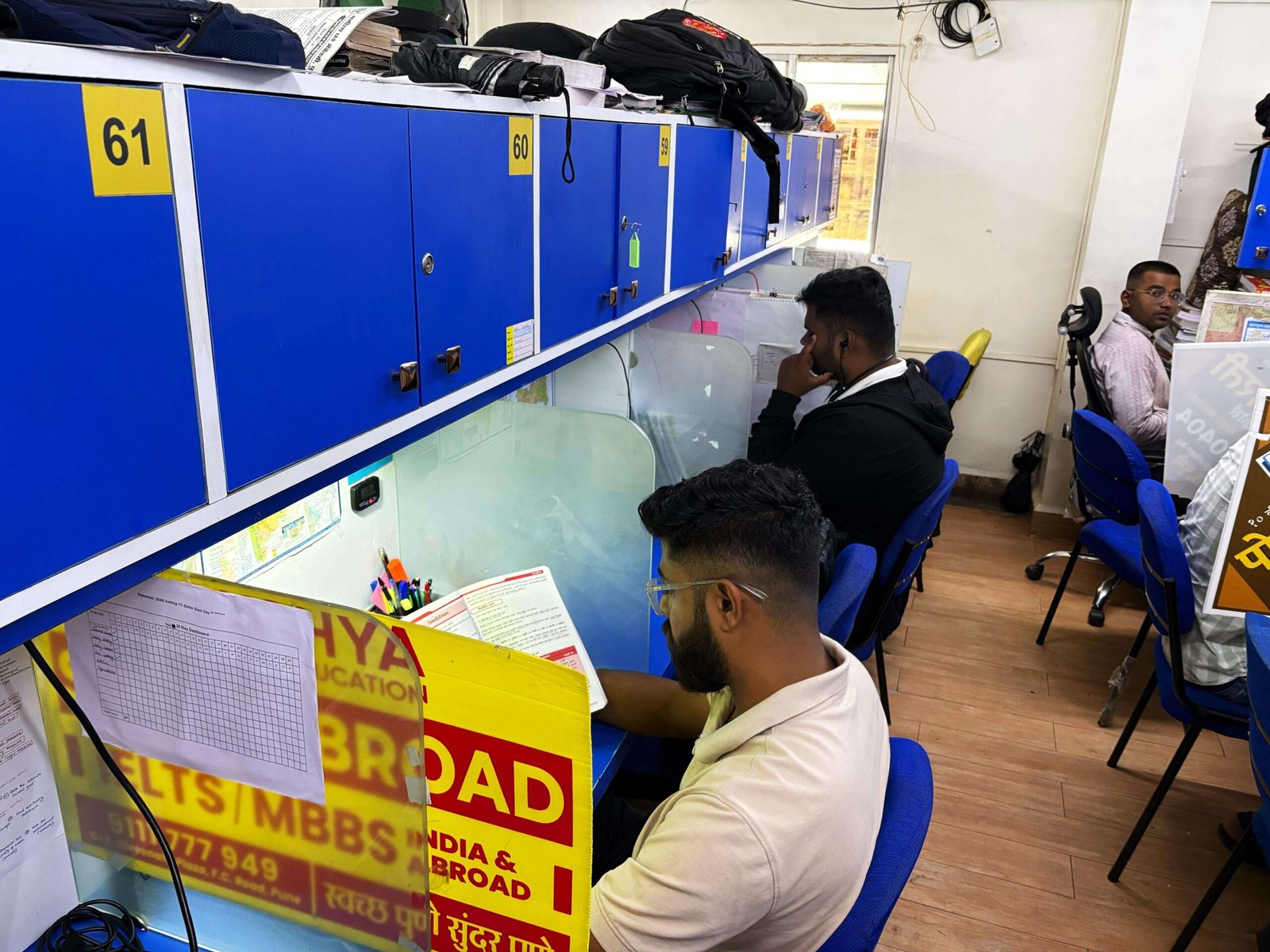
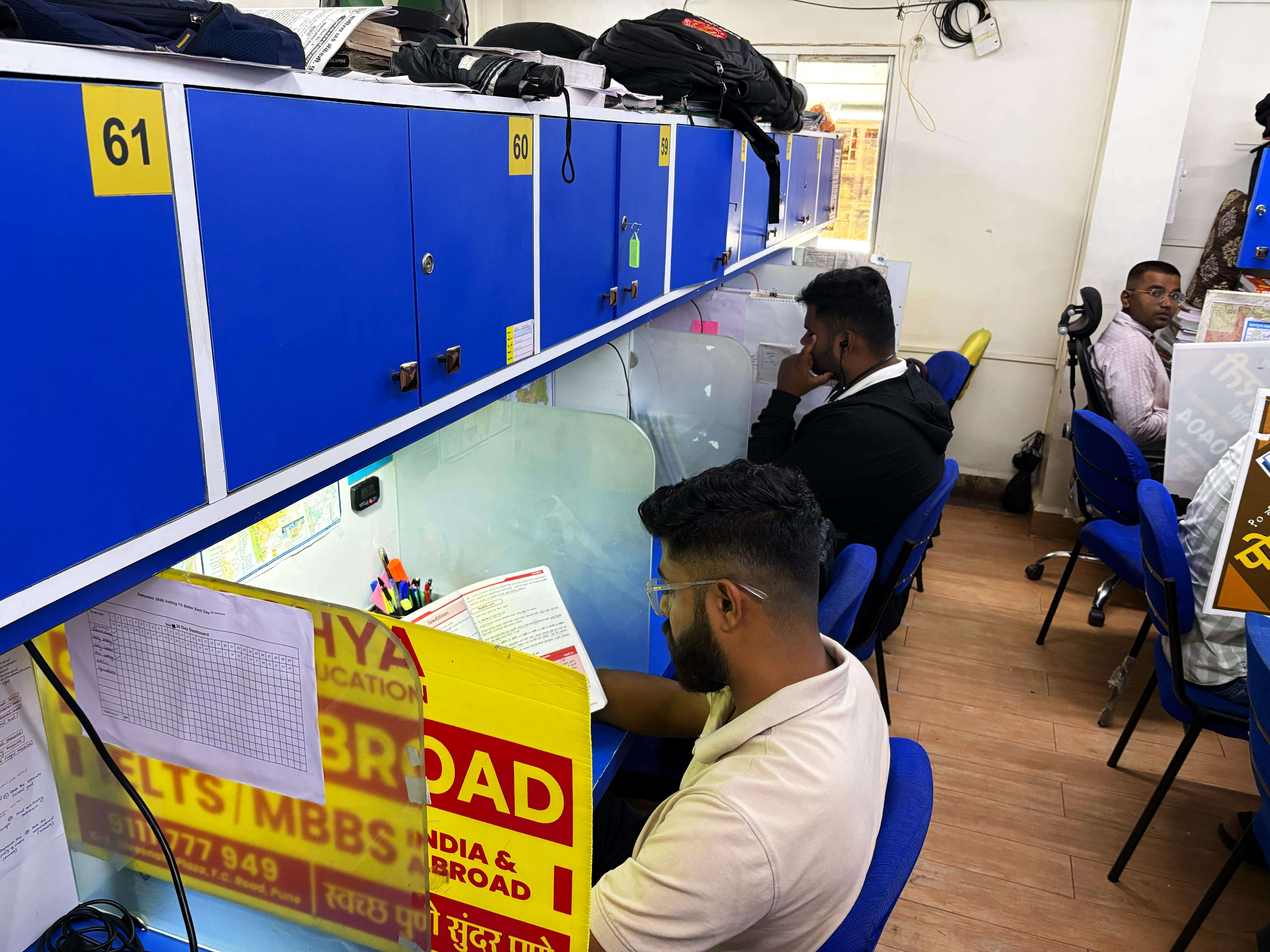
Pune: A walk through the narrow bylanes of the old city areas throws up the same person in endless variations. Students with backpacks, some hurriedly eating at one of the many roadside eateries, groups sipping tea, people carrying books, all with a common anxious look.For thousands of students who come from across Maharashtra, especially rural Marathwada and Vidarbha regions, Pune is a giant waiting room for govt jobs. Student organisations peg the number of students in Pune between 70,000 to one lakh_all hoping to crack at least one exam conducted by Maharashtra Public Services Commission.With the industry comprising coaching centres, rented rooms, messes, photocopy shops and tea stalls, one organization that works with the aspirants pegs the MPSC economy across Maharashtra at Rs 100 crore.But the real cost is harder to measure.For years, a 30-year-old pharmacy graduate has been waiting for the drug inspector exam because it was a technical post, which means the number of applicants were fewer, and it offered a good salary. The examination was last held in 2016. He appeared for other exams conducted by the commission but when the advertisement for this one was issued in 2025, he knew it was his best chance.“It has taken 10 years for the commission to conduct the exam again. I can’t wait another 10 years,” the aspirant said. That uncertainty is particularly cruel because MPSC preparations do not merely consume time. It consumes the possibility of other jobs.The aspirant missed the cutoff by one and a half marks marks. Then came allegations that the examination paper had been leaked. In July, MPSC warned of legal action against people making unverified claims of a leak. But, in August, the commission cancelled the exam and announced re-examination.For the aspirant, the cancellation offered little comfort. “When the results were announced, there were rumours of a leak. Even when I saw the marks of the top rankers, I was shocked to see such high marks. But since MPSC has been the most trusted organization till now, we believed in the result and pegged the high cut-off marks as the truth,” he added. Now, he says he can’t trust the process, a thought many aspirants, TOI spoke with, voiced.When an exam is cancelled, it is also the time, money and years that thousands of people have already invested in a promise that is destroyed. The other question is if the commission can still be trusted.For many, MPSC preparation is itself a form of limbo. Students spend years preparing for exams with unpredictable schedules and limited vacancies. The cost is not limited to finances. Careers are put on hold, savings disappear, farm lands are sold, marriage gets delayed and returning to an earlier profession becomes increasingly difficult.The arithmetic is brutal. For the upcoming Group C recruitment advertising about 6,000 positions, roughly over 11 lakh candidates applied. But numbers do not explain why people continue.Students liken the preparation to space travel — vast, demanding and consuming years of their lives. But for those who do not make it, it can feel like entering a black hole from which there is no way out.A 34-year-old mechanical engineering graduate from Satara has spent nearly a decade preparing for govt exams. After engineering, he found himself choosing between unemployment and a poorly paid job. He attempted examinations from Group A to Group C, without success.“For some time, your parents support you. But how long can you depend on them?” he said. His family owns a small farm in a rainshadow area, where income depends on the erratic monsoon.He said he cannot return to engineering because years away from the field have left him without the skills to compete with fresh graduates. Farming is not an option either: his parents borrowed money to educate their children so they would not have to farm. He now takes part-time work in hotels.“There were always rumours about paper leaks, but this time it was proved. It casts doubts on all the other exams where questions were raised. I cannot explain how hopeless I feel,” he said, adding that marriage was another challenge.Kiran Nimbhore of the MPSC Students’ Rights organisation said aspirants often study from 7am to 11pm, with breaks for food, covering subjects from the Constitution to general knowledge. Those who fail end up driving cabs, delivering for quick-commerce platforms or working as ATM security guards. These jobs have no use for their knowledge, making them even more depressed.Nimbhore had started a Plan B initiative, urging students to put a time limit on preparation and explore other careers or businesses. Only a few were interested, he said.“The dream of a secure govt job, the pride it brings to parents and the respect it commands among peers and in villages is powerful enough to keep people studying,” he said.The physical conditions can be just as punishing. Aspirants live in cramped rooms to keep costs down. Suraj Rode, another aspirant, said five people share a matchbox one-room kitchen without a bed, sleeping on mats on the floor and storing books in kitchen cabinets. They study in reading rooms and depend on tiffin services or messes.“Imagine living in such conditions for years, only to know that the examination has been leaked. It completely shakes our confidence,” he said.Mahesh Gharbude, president of Competitive Examination Students’ Association, estimates that an aspirant needs at least Rs 12,000 a month to cover rent, food and a reading room.Yet the ecosystem also creates its own survivors. Avinash, who came to Pune as an aspirant, now runs a business supplying study material. Others have opened tea stalls and messes.For Nimbhore and students at large, the immediate issue is bigger than livelihoods: it is credibility. “Every time there were allegations against MPSC, I was the first to oppose them. I blindly trusted this organisation. Even 10 minutes before MPSC conceded to the paper leak, I was defending them. Then this happened,” he said.He now wants the commission insulated from political appointments, people from Mantralaya on deputation and retirement postings and people with unblemished records appointed to key positions.“The chairperson and secretary should be an IAS officer with a proven track record. In a poverty-, class- and caste-divided India, MPSC always felt like the fairest platform. With its credibility tarnished, whom can the students trust?” he said, adding that cleaning up the system was the first step to rebuilding trust.