


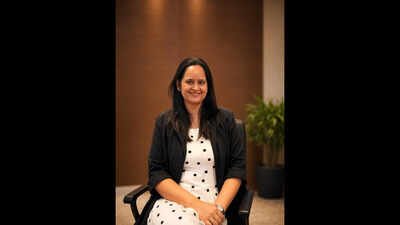
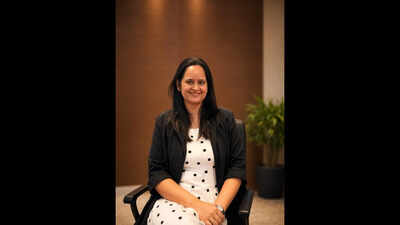

Q. When did you first realise your children needed support?With my elder son, Vedanta, I was completely unaware of autism. He preferred to stay by himself, did not respond to his name and seemed disconnected from others. However, I believed he would catch up with age. It was only when he was around three-and-a-half years old that I accepted he needed professional support.With my daughter, Pakhi, the experience was very different. By then, I was aware of developmental signs and sought support much earlier.Q. What were the biggest challenges during diagnosis and early intervention?The biggest challenge was the lack of awareness, including among many medical professionals, which often delayed identification. Finding a proper diagnostic centre was difficult. There was also a shortage of quality therapy centres, trained professionals and schools sensitised to the needs of autistic children.Q. What gaps did you notice in Patna’s autism care ecosystem?Services were scattered. Parents had to move from one place to another for diagnosis, therapy, special education and counselling. There was no integrated model offering all essential services under one roof. There is also limited collaboration between schools and therapy centres, along with a lack of strong parent support networks.Q. As a mother and a professional, what changes does Patna urgently need?Patna needs a more inclusive and connected ecosystem for neurodivergent children. Schools require greater awareness and sensitisation so that children are supported rather than excluded. Schools and therapy centres should work together to ensure continuity in a child’s development. We also need more inclusive schools and vocational training centres to help adolescents and adults with autism build life skills, gain independence and access meaningful employment.Q. Why do many families delay seeking help?Social stigma remains a major reason. Many parents fear being judged. A lack of awareness means families often miss early signs and assume the child will eventually catch up. The absence of integrated diagnosis and intervention centres also leaves many parents unsure where to begin.Q. What does an inclusive Patna look like to you?An inclusive Patna is one where every child has access to quality education and the opportunity to reach their full potential. It is a city where differences are accepted with dignity and respect, and where neurodivergent individuals are equipped with life skills, vocational opportunities and meaningful employment. Inclusion is not just about access; it is about being accepted, supported and valued.