

Hyderabad’s food scene is changing. A city long defined by its signature dum biryani is slowly moving beyond a one-dish identity. No, it is not making way for mandis, but widening the table. The culinary conversation now includes totakura liver fry, nimmakayya guddu bonda, seena roast, chepala pulusu, natu kodi, mutton pulusu and more. A biryani-obsessed crowd is warming up to aromatic pulaos, pacchadis and regional desserts that feel desi, beyond just gulab jamuns.
It is also becoming apparent that Telugu cuisine is more than podi (gunpowder) and avakaya pacchadi.
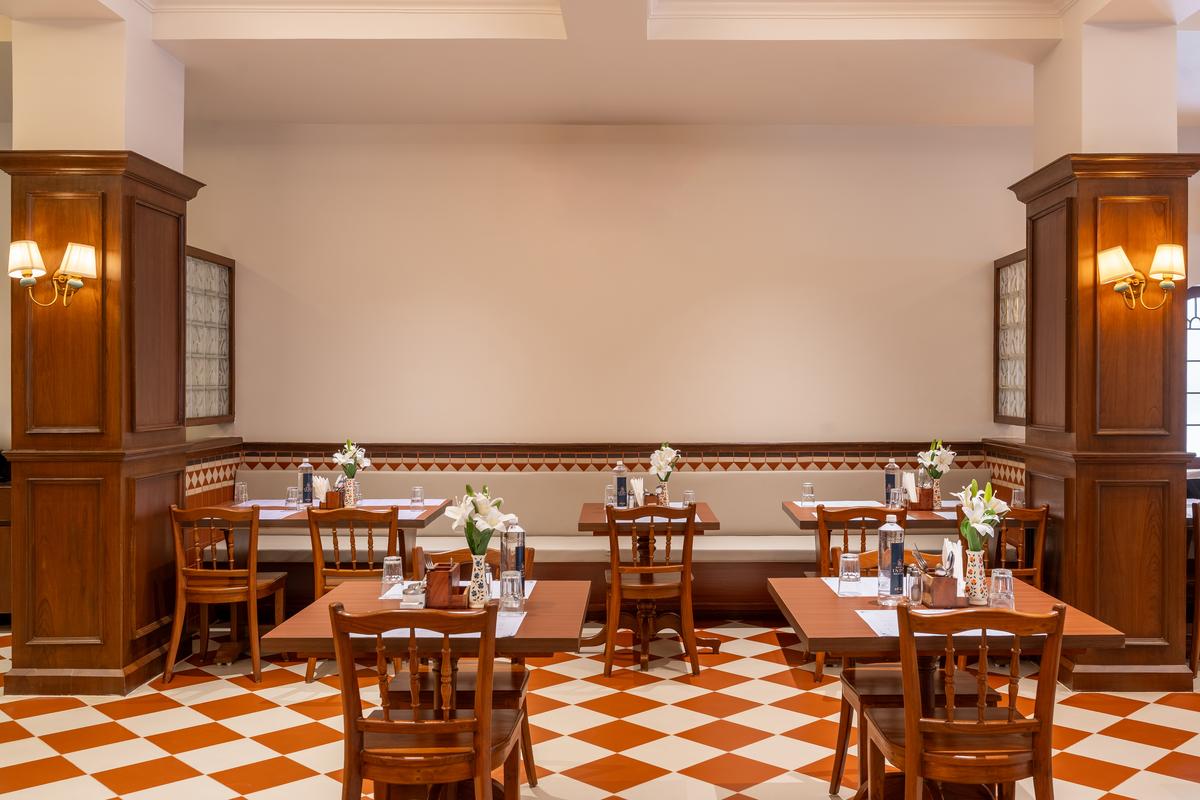
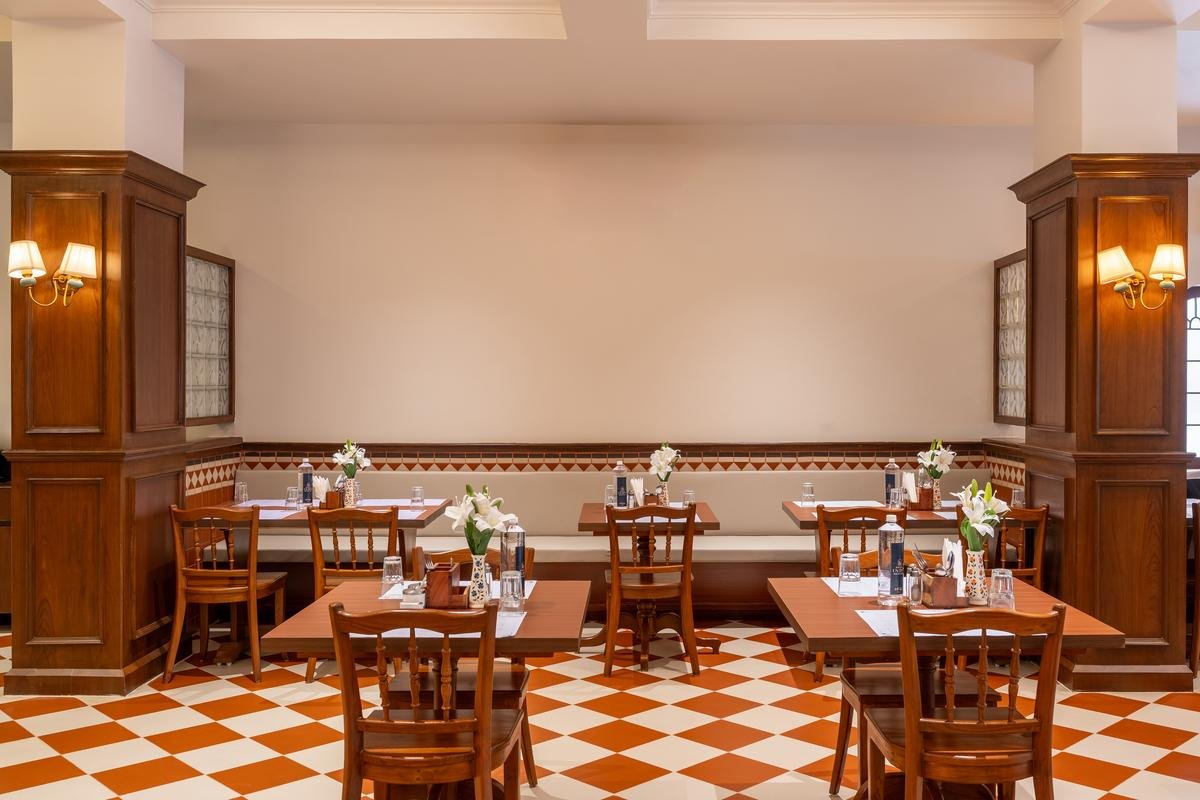
The new Hotel Indu Deluxe
| Photo Credit:
Special Arrangement
A city that once calibrated biryanis by “less, medium or full masala” is now foregrounding pappus (dals) — gongura pappu, thotakura pappu, mamidikaya pappu, alongside pappu charu, rasam and vepudus (fries). Restaurants are spotlighting hyperlocal specialities such as Karimnagar wings, golichina mamsam and dappalam, alongside the homely staple of muddapappu avakaya annam.
Rohit Reddy, who is currently managing the iconic Hotel Indu Deluxe, founded by his father Venugopal Reddy in 1985, decided to open another outlet in Banjara Hills after four decades. The driving point, says Rohit Reddy, “Everyone is inquisitive about Telugu cuisine. With over 40 years in this segment, our brand is a testimony to that. When we began planning another outlet, we were sure of sticking to our menu. Our cuisine has so much to offer that we don’t need a multicuisine menu. Our cooks are from Bheemavaram, Warangal, West Godavari, and Rajahmundry. There is no need to borrow dishes from elsewhere.”
The result? Visitors now leave with a craving for the layered, hyperlocal techniques that define Hyderabad’s cuisine. While much of the country leans on the predictability of butter chicken and cream-heavy gravies, Hyderabad’s food stands apart—an interplay of heat and tartness, anchored by deeply familiar aromas.

At Coffee Sangam, chef Vignesh Ramachandran builds a café menu around regional comfort: punugulu, button idli, mokka jonna dahi puri and nimmakaya guddu bonda, all paired with filter coffee. When asked why diners would seek these in a café setting, he says, “We all crave that roadside dahi puri but hold back over hygiene or convenience. As Indians, we return to familiar flavours for comfort. It was time Hyderabad brought that into cafés. When you compare our regional cuisine with Western offerings, the variety and flavour give us an edge.”
Beyond the plate, restaurateurs are rethinking how Telugu cuisine is experienced. Dining rooms now echo fine-dining sensibilities. Think rasam served as an amuse-bouche in delicate cups with vadiyalu, or traditional dishes plated with unexpected finesse.
Restaurateur Sampath Tummala, who owns Spicy Venue and Theta Theta Telugu, puts it succinctly: “There has to be a distinction between a rushed lunch and one you plan to celebrate. Telugu food was long identified with the thali, but now it’s time for individual dishes to shine. We serve chepala pulusu in a stone pot, bubbling as it reaches the table. We have also focused on pulaos, each uniquely flavoured, to highlight the beauty of short-grain rice and meat. And of course, coconut rice with chicken curry which is a staple celebration pairing in many homes.”
At Terrai – Neo Telangana Kitchen & Bar, the approach is more archival. The restaurant pays gastronomic tribute to Telangana’s history and the Deccan’s culinary legacy, reinterpreting traditional dishes to foreground culture and community. Expect millets to take centre stage, alongside robust shorbas that echo the region’s terrain and memory.

More than just food
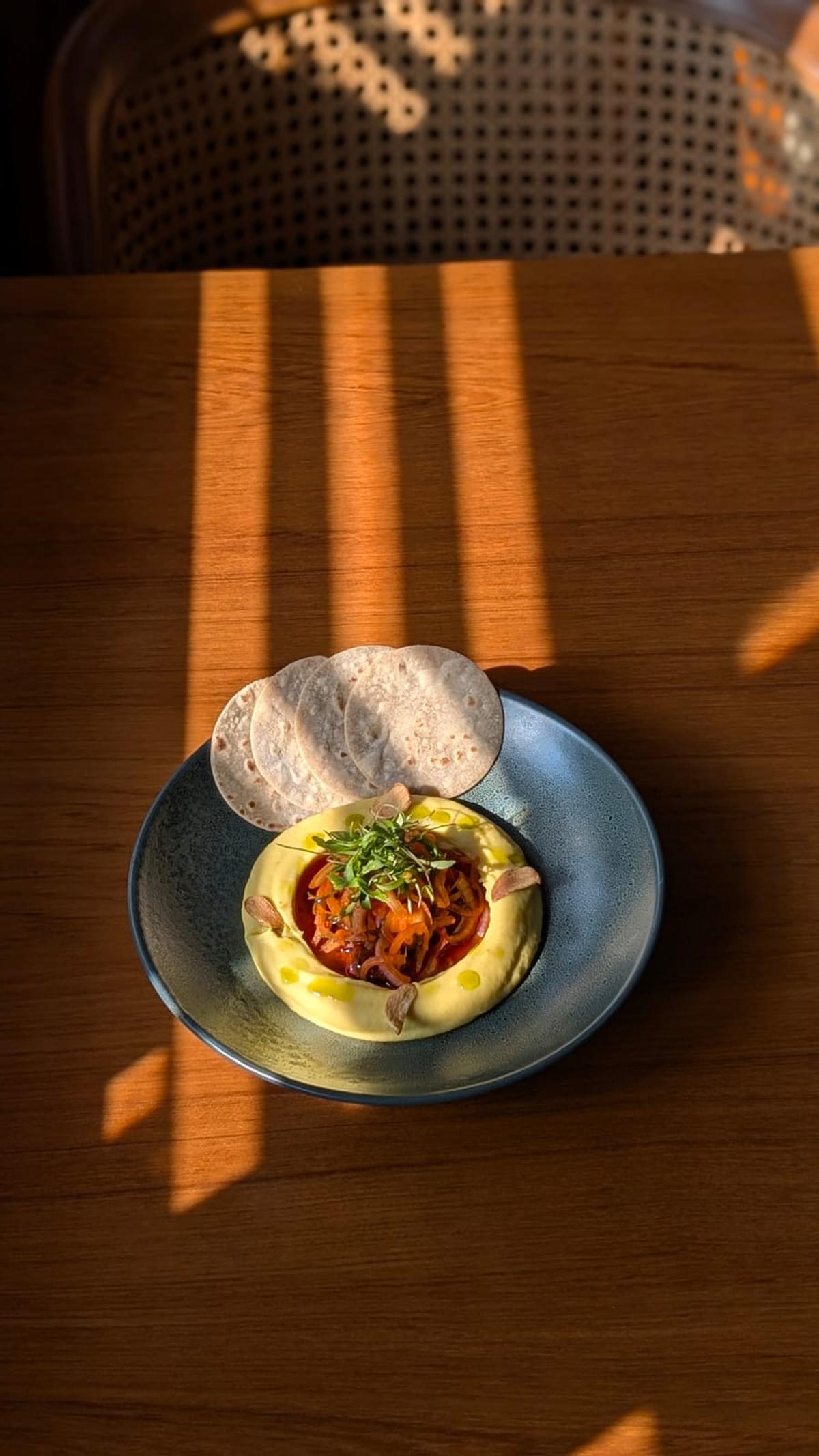
Muddapappu hummus at Theta Theta Telugu
| Photo Credit:
Dinesh Kakollu
Gopi Bylapula of Culinary Lounge is on a mission to take Telugu cuisine to the world. “Hyderabad alone has thousands of eateries, yet very few celebrate the depth of micro-cuisines,” he says. “Showcasing regional food can drive cultural and culinary tourism while preserving intangible heritage. In 2025, UNESCO inscribed Italian cuisine, framed around sustainability and biocultural diversity, recognising the entire ecosystem from cultivation to consumption. Telugu cuisine, too, must aim for global recognition, given its depth and centuries-old techniques.”
Across the city, restaurants are reimagining presentation as much as they are reviving recipes. Whole grilled murrel fish, Hyderabad’s answer to grilled lobster, has begun to appear on menus Vivaha Bhojanambu, Telangana Spice Kitchen and a few more. At Bhojanam, thalis are curated by region, spotlighting the distinct culinary identities of Andhra, Telangana, Godavari and Rayalaseema.
“Collectively, these elements create an elevated dining experience steeped in tradition and possessing a distinct identity that celebrates sub-regional cooking and eating practices. As Sampath noted, ‘The elevated dining experience currently in Hyderabad is a journey through various Telugu cultures.”

For diners, this shift feels overdue. Ankita Choudhary, founder of Concept Crate, an ad agency, sees the rise of Telugu-forward spaces as a welcome reset. “Kodi vepudus and roasts offer a textured alternative to the overkill of kebabs,” she says. Among her favourites: mamsam ghee roast, gutti vankaya pulao and avakaya veg pulao at Telugu Medium Kitchen & Bar, along with grilled meats at Maredumilli – The Forest Grill & Bar.

Seena roast at Theta Theta Telugu
The appetite for hyperlocality has also opened doors for home chefs. Sowjanya Narsipuram introduced Hyderabad to the nuanced flavours of Uttar Andhra cuisine — built on pulses and beans, marked by the use of mustard powder as garnish, restrained spice, and inventive fillings like stuffed lentils in deep-fried rice dumplings. Her table offers dishes such as matki pappu, jeedi kobbari paala koora and the deeply flavoured guna charu, made with semi-ripe jackfruit, each one expanding the city’s understanding of what Telugu food can be.
Published – April 17, 2026 08:30 am IST