











For many holidaymakers, checking out of a rental has meant more than packing bags and returning the keys. Guests have sometimes been expected to remove bedsheets, wash dishes, start laundry or carry rubbish away, even after paying a cleaning fee. Airbnb’s latest policy change seeks to draw a clearer line between reasonable guest responsibilities and work that should generally be handled by cleaners. The updated policy applies to reservations booked on or after November 20, 2026. It is intended to make expectations clearer before guests confirm a stay, reducing the possibility of unexpected checkout demands.
What Airbnb hosts can no longer require guests to do
Under the revised guidelines, hosts generally cannot require guests to complete tasks that involve significant time or effort or would typically be performed by a professional cleaner. The prohibited chores include stripping beds and removing their linen, washing and putting away dishes, starting a load of laundry, and taking rubbish offsite. Hosts also cannot ask guests to avoid using an amenity that was advertised as part of the listing. The rules do not mean guests can leave a property in any condition. Hosts can still make reasonable requests, including asking visitors to place used dishes in the sink, gather used towels or separate rubbish and recycling into designated indoor bins.Airbnb said the changes follow feedback from its community that house rules could be confusing, burdensome and difficult to manage. The company wants guests to understand what is expected of them before arrival rather than discover additional tasks during checkout. The new policy also limits hosts’ ability to introduce fresh requirements after a reservation has been made. House rules and requests must be disclosed in the designated section of the listing at booking, allowing guests to decide whether the accommodation suits their needs.
Seven standard house rules aim to reduce confusion
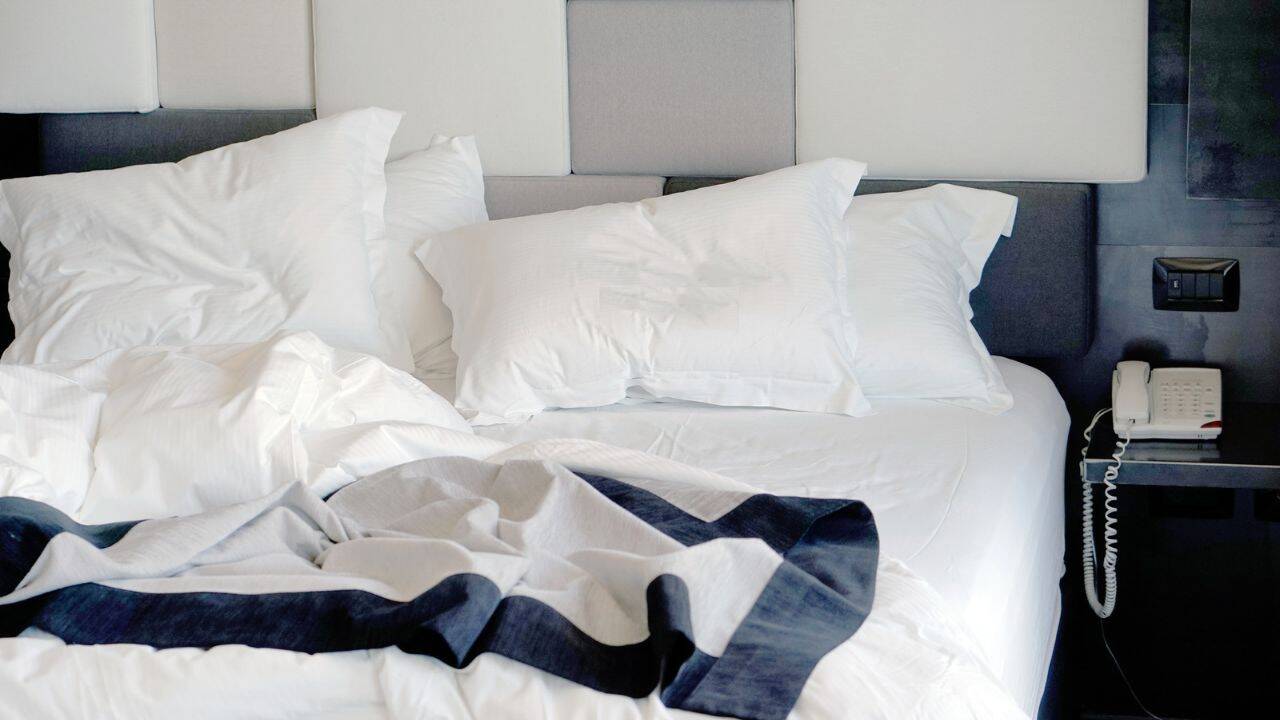
Airbnb is also reorganising how hosts communicate their expectations. Hosts can select from seven standard house-rule categories covering maximum overnight guests, quiet hours, events, pets, smoking, commercial photography and filming, and locking up at checkout. These rules are being displayed more prominently on property listings, in guests’ Trips tabs and in reservation reminders. Other requests can be added, but they must comply with Airbnb’s policy and be reasonable for the property and its location.Some exceptions may apply when local conditions justify a request. For example, hosts in areas with wildlife risks may reasonably ask guests to put rubbish in animal-proof containers. In places facing drought-related water restrictions, asking visitors to limit shower time may also be considered appropriate.Airbnb says requests that do not comply with the new policy may be flagged. Hosts can be informed of the problem and given an opportunity to correct it or appeal. If violations remain unresolved, listings may display a warning to prospective guests, lose visibility in search results or face other action under the platform’s terms. The update therefore places greater responsibility on hosts to make their expectations clear and keep them within reasonable limits.
What the change means for cleaning fees and holidaymakers
Cleaning fees have been a longstanding source of frustration for some Airbnb guests, particularly when the additional charge comes alongside a lengthy checkout checklist. The platform changed how prices are displayed in 2025, making the total price, including applicable fees, more visible to guests in search results. The latest rules address a separate but related concern: the chores visitors can be expected to complete themselves. Hosts can still account for cleaning costs in their pricing, but the new policy generally prevents them from making guests perform time-consuming tasks normally handled by cleaners.For travellers, the biggest benefit is greater transparency. Before booking, guests should be able to review the house rules and reasonable requests and understand what their stay will involve. For hosts, the changes mean reviewing existing listings and removing checkout instructions that conflict with the policy. The new guidelines do not eliminate all guest responsibilities or prevent hosts from setting reasonable rules. Instead, they aim to establish clearer boundaries between looking after a rental and carrying out extensive cleaning work. For anyone planning a holiday, checking the listing’s rules before booking remains important. The difference is that, for reservations covered by the new policy, guests should no longer be expected to strip beds, wash and put away dishes or take rubbish offsite as mandatory checkout chores.