


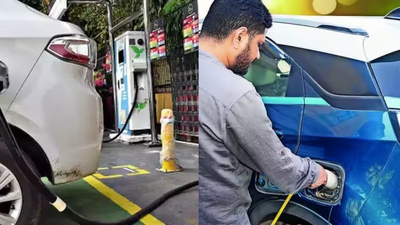

NEW DELHI: Registrations of electric vehicles in Delhi rose to a 2026 high of 10,719 units in July, marking a sharp increase over the same month last year, with the surge coming shortly after the Delhi government notified its new Electric Vehicle Policy 2026, news agency PTI reported.According to data from the government’s Vahan portal, 10,719 vehicles in the ‘Pure EV’ category were registered in the national capital in July. The figure was 1,423 higher than the 9,296 pure EV vehicles registered in June.As per the PTI report, the July registrations were also significantly higher than the 6,414 pure EVs registered in the city during the same month last year, representing a rise of nearly 67%.The figures indicate that EV registrations have been steadily gaining momentum in the capital this year. Starting with 6,077 vehicles in January, registrations fell to 4,983 units in February before rising to 7,324 in March, 7,658 in April, 8,738 in May, 9,296 in June and finally 10,719 in July.The July figure is the highest number of pure EV registrations recorded in Delhi in the first seven months of 2026.The increase also comes after the Delhi government notified the ‘Delhi Electric Vehicle Policy 2026’ on July 1.The policy provides several incentives and tax exemptions and includes provisions aimed at expanding charging and battery-swapping infrastructure to build a robust electric vehicle ecosystem in the national capital.Under the policy, all electric cars with an ex-showroom price of Rs 30 lakh or less registered in Delhi will receive a full exemption from road tax and registration fees.The policy also lays down a phased transition for other vehicle categories. From January 1, 2027, only electric auto rickshaws will be registered in Delhi.Registration of new petrol and CNG two-wheelers will subsequently be phased out, with only electric two-wheelers to be registered from April 1, 2028.The government has also announced a subsidy for buyers of electric two-wheelers. Under the scheme, buyers will receive Rs 30,000 in the first year, Rs 20,000 in the second year and Rs 10,000 in the third year.The Delhi government plans to invest around Rs 15,000 crore over the next four years to promote electric mobility and reduce vehicular pollution. More than 30,000 EV charging points are also planned across the national capital.The Transport Department will serve as the overall coordinator for the policy, while Delhi Transco Limited (DTL) has been designated as the nodal agency to closely monitor and ensure compliance with the setting up of EV charging infrastructure.The ‘Delhi Electric Vehicle Policy 2026’ will remain in force until March 31, 2030.(With agency inputs)