


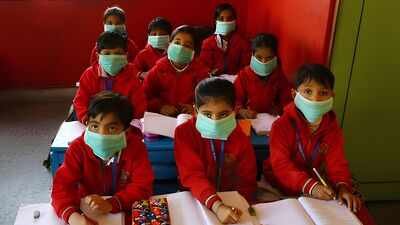
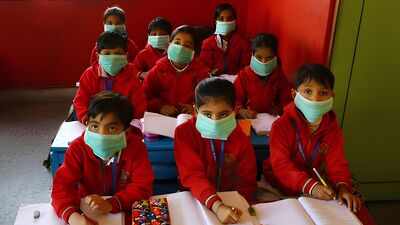
NEW DELHI: H1N1 (swine flu) and other respiratory infections are being reported more frequently in Delhi-NCR and some other parts of the country amid humid and variable weather conditions, with doctors advising people to watch for flu-like symptoms and take precautions to prevent the spread of infection.Doctors said seasonal illnesses such as influenza, commonly referred to as swine flu, tend to increase during the monsoon. Vulnerable groups, including elderly people, young children and those with existing health conditions, may be at greater risk of complications.
What doctors are seeing
AIIMS Delhi professor of medicine Dr Neeraj Nischal said common cold, influenza and other viral infections causing respiratory symptoms are frequently seen during the season.Symptoms can include a runny nose, cough, fever, body aches and fatigue. He said people with conditions such as COPD or asthma, as well as the elderly and those with other comorbidities, need to be particularly cautious.Dr Manohar KN, lead consultant in internal medicine and diabetology at SPARSH Hospital in Bengaluru, said his hospital was also seeing an increase in seasonal H1N1 cases.Around five to six patients a day were reporting flu-related symptoms at the hospital, with two to three patients being admitted, he said.
Dengue, H1N1 cases also reported in Delhi
Dr Harpreet Kaur of Aakash Healthcare said the hospital had recorded both dengue and H1N1 cases in July, with H1N1 cases increasing significantly in August.She said stagnant water during the monsoon can favour mosquito breeding, while damp and humid conditions can facilitate the spread of respiratory infections, particularly indoors and in crowded settings.Asian Hospital’s Dr Sunil Rana said his hospital was also seeing dengue, swine flu and H3N2 cases, with symptoms ranging from cough and throat pain to severe pneumonia.
How to protect yourself from H1N1
Doctors advised people to maintain basic respiratory hygiene and avoid spreading infection to others.Dos:
- Cover your mouth and nose with a handkerchief or tissue while coughing or sneezing.
- Wash your hands regularly with soap and water or use an alcohol-based hand sanitiser.
- Avoid touching your eyes, nose and mouth.
- Avoid crowded places where possible.
- Keep some distance from people with flu-like symptoms.
- Get adequate rest, sleep and fluids, and eat nutritious food.
- Dispose of used tissues properly and disinfect reusable handkerchiefs.
Don’ts:
- Shake hands or hug others when you are unwell.
- Take medicines without consulting a doctor.
- Meet relatives and friends if you have flu-like symptoms.
When to seek medical help
Doctors said mild cases may be managed with symptomatic treatment, while some patients, particularly those in vulnerable groups, may require hospital care if respiratory symptoms become severe.Vaccines are also available for influenza, and doctors advised high-risk groups to discuss vaccination with their healthcare providers.(With inputs from ANI)