











An 80-year-old retired Bank of Baroda employee has received ₹1.47 crore from the bank after fighting for more than three years over deductions from his fixed deposits. The money was returned after the Bombay High Court intervened in his case and questioned the bank’s explanation for withdrawing nearly ₹1.20 crore from his savings.The settlement was reached while the retiree was receiving treatment in a Mumbai hospital. As reported by The Indian Express, he had been placed on ventilator support the previous month after developing pneumonia and acute respiratory distress syndrome. The bank credited the settlement amount to his account on November 26, 2026, after agreeing to pay him the deducted principal along with interest.In its November 26 order, the Bombay High Court disposed of his petition after recording the bank’s offer of ₹1,47,67,508 as a full-and-final settlement.
Bank deducted nearly ₹1.20 crore from his fixed deposits
The petitioner, Ashwin Shantilal Khandwala, had retired from Bank of Baroda and maintained fixed deposits with the bank. According to the court record, the bank deducted ₹89,01,253 from his fixed deposits on March 31, 2023. It subsequently deducted another ₹31,18,695 from the interest accrued between April 1, 2023, and the maturity of the deposits. The total deduction came to ₹1,20,19,948.Khandwala challenged the deductions, arguing that the bank had taken the money without a legal basis. He approached the Reserve Bank of India‘s Ombudsman on August 21, 2023. However, the Ombudsman closed his complaint on December 18, 2023, saying it was not maintainable because the dispute involved an employer-employee relationship. He then approached the Bombay High Court through a writ petition challenging the Ombudsman’s decision.
Bank said additional interest was given by mistake
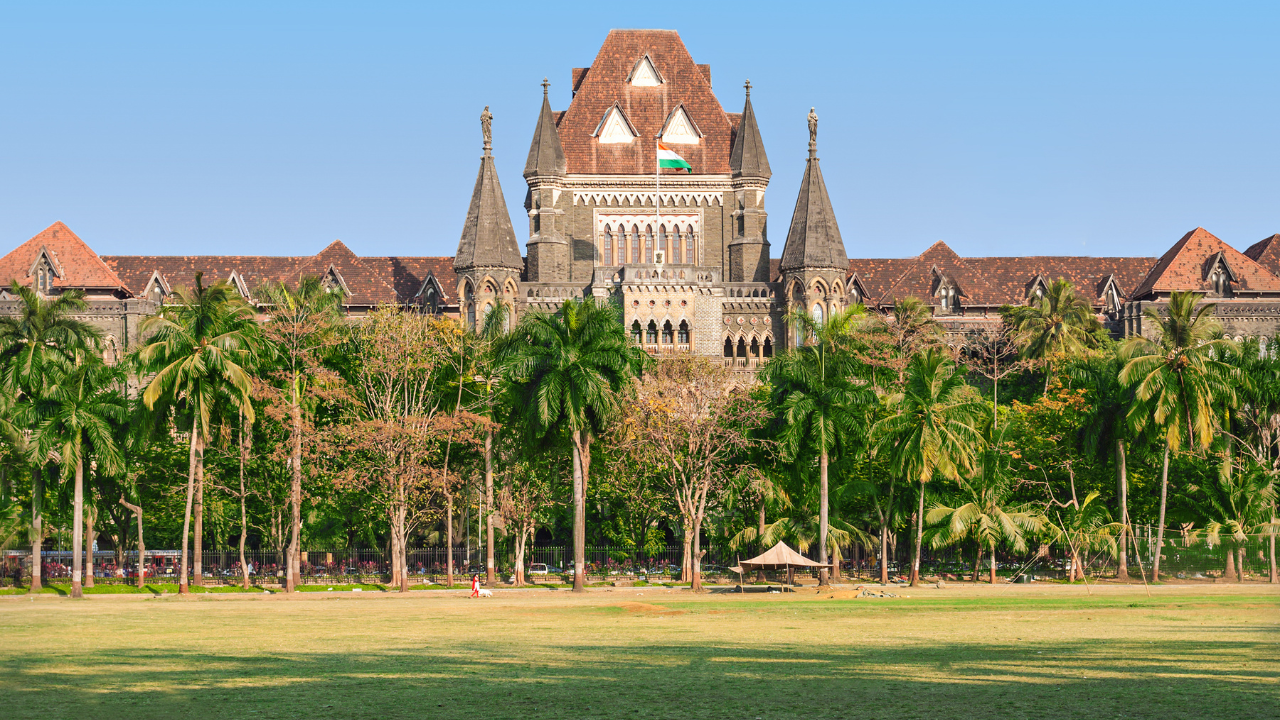
Photo: Canva
During the proceedings, Bank of Baroda argued that the deductions were linked to an additional one per cent interest benefit meant for retired employees. According to the bank, the benefit had been extended to Khandwala inadvertently because of a clerical error.However, the High Court questioned this explanation. It observed that the records indicated Khandwala had been eligible for the additional one per cent interest since 2011, after the bank had verified his eligibility. He had also received the benefit over the years.The bench of Chief Justice Mahesh Chandra Tripathi and Justice Advait M Sethna said it found it difficult, at a preliminary stage, to accept the bank’s claim that the deductions were the result of a clerical mistake. The court described the explanation as appearing to be an afterthought.The judges also expressed concern over the way the matter was handled while the elderly petitioner was dealing with serious health problems.
High Court warned of contempt proceedings
As the case progressed, the High Court passed successive orders seeking an explanation and action from the bank. It had warned that contempt proceedings could be initiated against the bank and its officials, including its managing director, if its directions were not followed. The bank subsequently filed an additional affidavit on November 20, 2026, offering to pay Khandwala ₹1,47,67,508 to settle the dispute.The amount included the deducted principal of ₹1,20,19,948 and ₹27,47,560 in interest. The interest was calculated at 10.55 per cent per annum for 26 months, from September 2024 to November 2026.The bank informed the court on November 26 that the settlement amount had been credited to Khandwala’s account after tax deduction. His lawyer accepted the offer, and the High Court disposed of the petition.
Court says senior citizens should not have to fight for their savings
While closing the case, the High Court made observations about the difficulties senior citizens can face while dealing with banks and financial institutions. The bench said elderly customers who have deposited their life savings with financial institutions should not repeatedly have to approach courts because of procedural hurdles. It observed that courts should be the last resort for such disputes, not a routine destination for senior citizens seeking access to their own money.The judges called for a humane and practical approach so that older customers are not caught in unnecessary technicalities and procedural delays. The court also clarified that, given the specific facts of the case, its order should not be cited as a precedent as a matter of course.